Reading is more than a school skill or a quiet hobby. It’s also deeply woven into English itself. Over time, books, pages, stories, and reading habits have inspired many everyday expressions. That’s why idioms for reading are so useful: they help describe understanding, learning, judging, interpreting, and even misreading situations in vivid ways.
An idiom is a phrase whose meaning goes beyond the literal words. If someone says they can “read between the lines,” they do not mean they are staring at empty spaces on a page. They mean they can detect a hidden meaning. In the same way, phrases connected to books and reading often express ideas about wisdom, interpretation, communication, and knowledge.
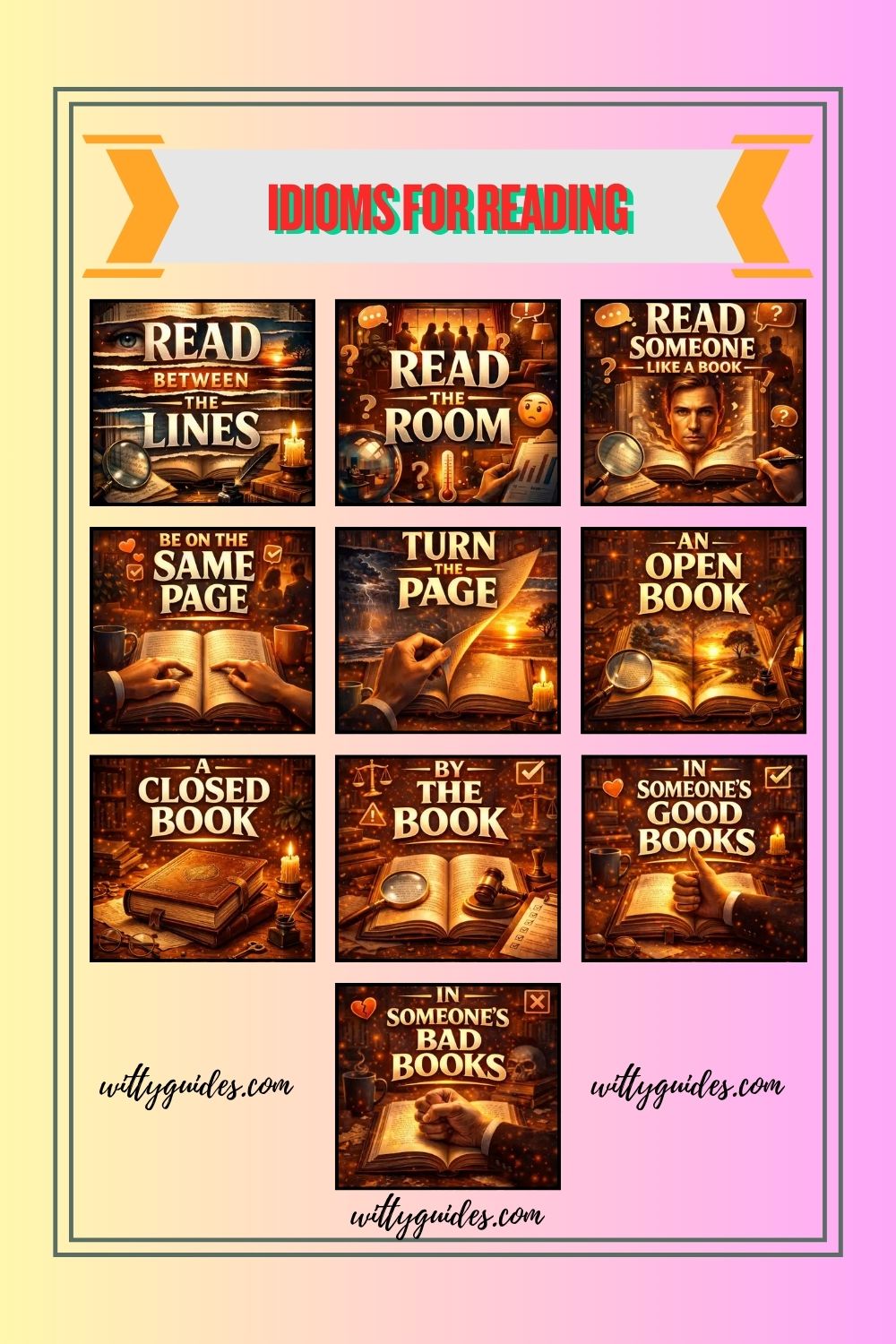
In this guide, you’ll explore 33 idioms for reading, each explained in a simple, reader-friendly format. Whether you’re a student, writer, teacher, or just someone who loves language, these expressions can make your English sound more natural, expressive, and memorable.
1. Read Between the Lines
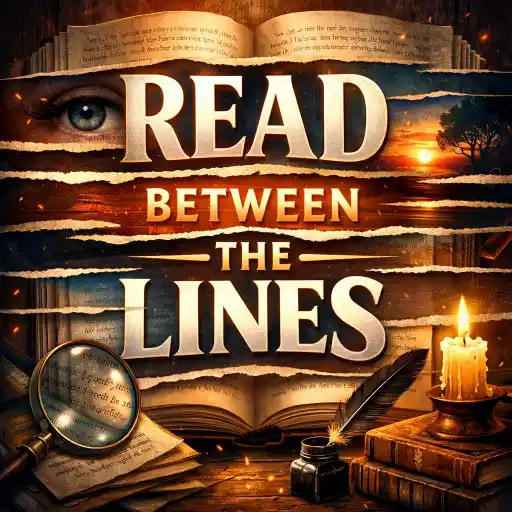
Meaning: To understand a hidden meaning that is not stated directly.
In a Sentence: Her email sounded polite, but if you read between the lines, you could tell she was upset.
Other Ways to Say: Catch the hidden message, understand the subtext, see what is implied
Why It Works: The phrase suggests that the real message is tucked into the spaces around the words, not only in the words themselves.
Best Used For: Conversations, emails, literature analysis, and situations where someone is being indirect.
2. Read the Room
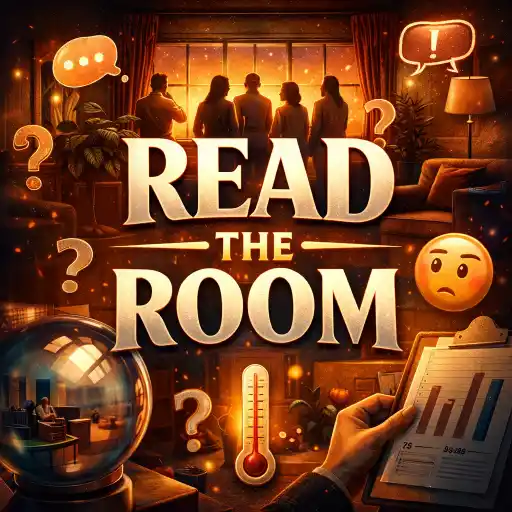
Meaning: To notice the mood, tone, or reactions of the people around you.
In a Sentence: He should have read the room before making a joke during such a serious meeting.
Other Ways to Say: Sense the atmosphere, pick up the mood, notice the vibe
Why It Works: It compares people and emotions to something you can “read,” as if the environment itself is giving you information.
Best Used For: Social situations, meetings, presentations, and group conversations.
3. Read Someone Like a Book

Meaning: To understand someone’s thoughts, feelings, or intentions very easily.
In a Sentence: Her brother could read her like a book and knew immediately that something was wrong.
Other Ways to Say: Know someone well, see right through someone, understand someone instantly
Why It Works: Books are meant to be opened and understood, so the idiom suggests a person is easy to figure out.
Best Used For: Close relationships, emotional insight, and character descriptions.
4. Be on the Same Page
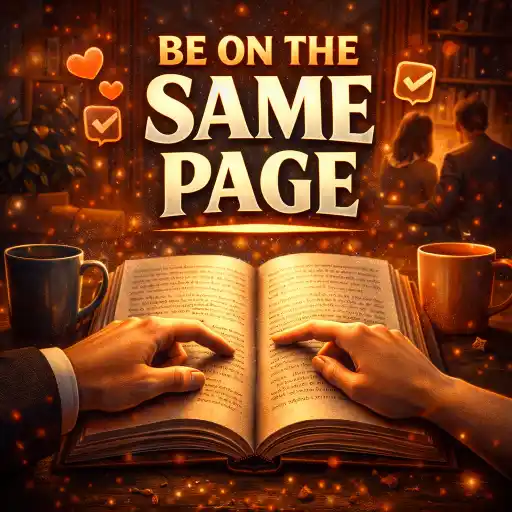
Meaning: To understand something in the same way as someone else.
In a Sentence: Before we begin the project, let’s make sure we’re all on the same page.
Other Ways to Say: Agree, share the same understanding, think alike
Why It Works: If everyone is literally on the same page, they are looking at the same information together.
Best Used For: Teamwork, planning, work discussions, and collaborative projects.
5. Turn the Page

Meaning: To move on to a new stage in life or leave the past behind.
In a Sentence: After a difficult year, she was finally ready to turn the page and start fresh.
Other Ways to Say: Move forward, begin again, start a new chapter
Why It Works: Turning a page signals progress in a book, so it naturally represents moving forward in life.
Best Used For: Personal growth, recovery, fresh starts, and motivational writing.
6. An Open Book

Meaning: Someone who is very honest and easy to understand.
In a Sentence: You never have to guess what he’s feeling because he’s an open book.
Other Ways to Say: Transparent, easy to read, emotionally open
Why It Works: An open book reveals its contents clearly, just like a person who hides very little.
Best Used For: Personality descriptions and discussions of honesty.
7. A Closed Book

Meaning: Something or someone that is difficult to understand.
In a Sentence: Advanced chemistry is still a closed book to me.
Other Ways to Say: Hard to understand, mysterious, confusing
Why It Works: A closed book cannot be read, so the meaning remains hidden.
Best Used For: Difficult subjects, mysterious people, or confusing situations.
8. By the Book
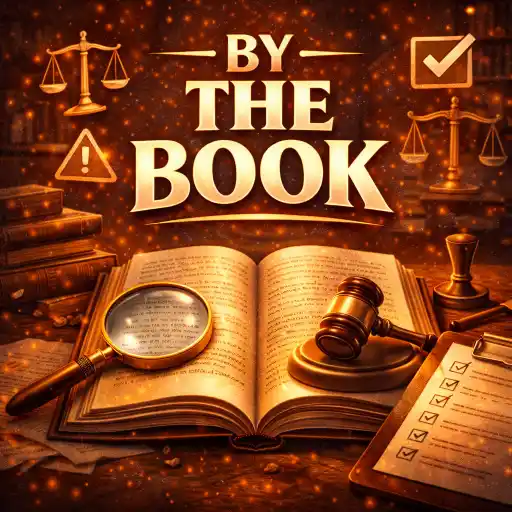
Meaning: Following the rules exactly.
In a Sentence: The inspector does everything by the book, so don’t expect any shortcuts.
Other Ways to Say: Follow the rules, do it properly, stick to procedure
Why It Works: A “book” here suggests an official guide or set of instructions that must be followed.
Best Used For: Workplaces, formal settings, and rule-based discussions.
9. In Someone’s Good Books

Meaning: In someone’s favor or approval.
In a Sentence: She’s in the manager’s good books after handling that client so professionally.
Other Ways to Say: In favor, well-liked, approved of
Why It Works: Being written positively in someone’s “book” suggests earning a good place in their judgment.
Best Used For: Workplace dynamics, family situations, and social approval.
10. In Someone’s Bad Books

Meaning: Out of favor with someone.
In a Sentence: I was in my mom’s bad books for a week after forgetting her birthday dinner.
Other Ways to Say: In trouble, out of favor, not well-liked right now
Why It Works: If someone keeps a mental “book” of behavior, being in the bad section means you’ve disappointed them.
Best Used For: Informal conversations about mistakes or conflict.
11. Judge a Book by Its Cover
Meaning: To form an opinion based only on appearance.
In a Sentence: People often judge a book by its cover, but first impressions can be very misleading.
Other Ways to Say: Judge too quickly, rely on appearances, make a shallow assumption
Why It Works: A book’s cover may not reflect its true content, just as appearances may not reveal real character.
Best Used For: Advice, life lessons, and character discussions.
12. Have Your Nose in a Book
Meaning: To spend a lot of time reading.
In a Sentence: All weekend long, she had her nose in a book and barely noticed the rain outside.
Other Ways to Say: Be deeply into reading, stay buried in a book, read constantly
Why It Works: The image humorously suggests someone is so close to the book that it dominates their attention.
Best Used For: Describing book lovers, students, or focused readers.
13. Bookworm
Meaning: A person who loves reading very much.
In a Sentence: Ever since elementary school, he’s been a total bookworm.
Other Ways to Say: Avid reader, book lover, devoted reader
Why It Works: The image of a worm living among books suggests someone who is always surrounded by them.
Best Used For: Personality descriptions and reading-related conversations.
14. Read Up On
Meaning: To study or gather information about a subject by reading.
In a Sentence: I need to read up on climate policy before the discussion tomorrow.
Other Ways to Say: Research, study, review the material
Why It Works: The phrase suggests increasing your knowledge by reading more deeply on a topic.
Best Used For: Academic work, work prep, and general learning.
15. Read Into Something
Meaning: To find a meaning that may or may not actually be there.
In a Sentence: I think you’re reading too much into his short reply.
Other Ways to Say: Overanalyze, interpret too deeply, assume extra meaning
Why It Works: It imagines a person digging into words and pulling out more than the speaker may have intended.
Best Used For: Conversations, text messages, and relationship discussions.
16. Read Someone’s Mind
Meaning: To know what someone is thinking without being told.
In a Sentence: You brought me coffee exactly when I needed it—it’s like you read my mind.
Other Ways to Say: Know what someone is thinking, guess perfectly, understand instantly
Why It Works: It exaggerates emotional insight by comparing it to literally reading thoughts like text.
Best Used For: Informal conversation and playful expressions of insight.
17. Take a Leaf Out of Someone’s Book
Meaning: To copy a good habit or idea from someone else.
In a Sentence: You should take a leaf out of her book and start planning your week in advance.
Other Ways to Say: Follow someone’s example, learn from someone, copy a useful habit
Why It Works: A “leaf” is an old-fashioned word for a page, so the idiom suggests borrowing a page from another person’s approach.
Best Used For: Advice, self-improvement, and leadership discussions.
18. Hit the Books
Meaning: To study hard.
In a Sentence: Finals start next week, so it’s time to hit the books.
Other Ways to Say: Study seriously, focus on schoolwork, revise hard
Why It Works: The phrase uses playful exaggeration to suggest diving into study with force and commitment.
Best Used For: Student life, exams, and academic motivation.
19. Read the Fine Print
Meaning: To pay attention to the small details, especially in agreements or contracts.
In a Sentence: Always read the fine print before signing anything online.
Other Ways to Say: Check the details, look carefully, examine the conditions
Why It Works: Fine print is literally easy to miss, which makes it a strong symbol for hidden details.
Best Used For: Contracts, purchases, legal matters, and careful decision-making.
20. One for the Books
Meaning: Something memorable, unusual, or remarkable.
In a Sentence: That comeback win was definitely one for the books.
Other Ways to Say: Unforgettable moment, memorable event, something extraordinary
Why It Works: If something belongs “in the books,” it is worth recording and remembering.
Best Used For: Major events, achievements, and dramatic moments.
21. Book Smart
Meaning: Intelligent in an academic or theoretical way.
In a Sentence: She’s incredibly book smart, especially when it comes to history and literature.
Other Ways to Say: Academically strong, intellectually trained, knowledgeable from study
Why It Works: Books symbolize formal learning, so the idiom highlights intelligence gained through study.
Best Used For: Academic conversations and intelligence comparisons.
22. Read the Signs
Meaning: To notice clues that suggest what is happening or what may happen next.
In a Sentence: The market was shifting, and smart investors read the signs early.
Other Ways to Say: Notice the clues, interpret signals, see what’s coming
Why It Works: It treats events and behaviors like written messages waiting to be understood.
Best Used For: Business, relationships, life decisions, and forecasting.
23. Don’t Judge the Whole Story by One Page
Meaning: Don’t form a full opinion from one small part.
In a Sentence: One bad day doesn’t define a person—don’t judge the whole story by one page.
Other Ways to Say: Don’t generalize too quickly, see the bigger picture, look at the full story
Why It Works: A single page cannot represent an entire book, just as one moment cannot define everything.
Best Used For: Advice, encouragement, and personal growth writing.
24. Be Written All Over Someone’s Face
Meaning: To be obvious from a person’s expression.
In a Sentence: Her excitement was written all over her face when she opened the envelope.
Other Ways to Say: Be obvious, show clearly, be easy to see
Why It Works: The face is treated like a page where emotions are plainly visible.
Best Used For: Emotional descriptions and storytelling.
25. Read Aloud to the Room
Meaning: To make your thinking clear and obvious to others.
In a Sentence: Good leaders often read aloud to the room by explaining both the problem and the plan.
Other Ways to Say: Speak clearly, make your intentions obvious, communicate openly
Why It Works: Reading aloud makes information public and easy to follow, just like clear communication in group settings.
Best Used For: Leadership, teaching, and communication contexts.
26. A Bestseller of an Idea

Meaning: An idea that is highly appealing or widely accepted.
In a Sentence: Her proposal became a bestseller of an idea in the office because everyone supported it.
Other Ways to Say: Popular idea, winning concept, crowd favorite
Why It Works: A bestseller is widely read and valued, so the idiom suggests instant popularity.
Best Used For: Creative brainstorming, workplace ideas, and persuasive writing.
27. Cover to Cover
Meaning: Completely, from beginning to end.
In a Sentence: I read that novel cover to cover in one weekend.
Other Ways to Say: Completely, all the way through, from start to finish
Why It Works: A book’s covers mark its beginning and end, making the phrase a natural symbol for completeness.
Best Used For: Reading discussions and full commitment to a task.
28. Lose Your Place
Meaning: To become confused or forget where you were in a process or explanation.
In a Sentence: Sorry, I lost my place while explaining the second point.
Other Ways to Say: Get mixed up, lose track, forget your point
Why It Works: Readers literally lose their place on a page, so the expression extends well to thought and speech.
Best Used For: Presentations, conversations, and learning contexts.
29. Between the Covers
Meaning: Contained within a book or written source.
In a Sentence: Some of the most useful advice I’ve ever found was between the covers of a library book.
Other Ways to Say: In writing, in the book, within the text
Why It Works: Book covers hold ideas, stories, and knowledge, so the phrase points to what is contained inside.
Best Used For: Book talk, reflective writing, and literary discussion.
30. Read for the Plot
Meaning: To focus on the obvious explanation, sometimes humorously.
In a Sentence: He claimed he watched the film adaptation for the plot, and nobody believed him.
Other Ways to Say: Focus on the main story, pretend to have serious reasons, use a playful excuse
Why It Works: The phrase works because “plot” sounds serious, while it is often used jokingly to hide a different reason.
Best Used For: Humor, casual conversation, and playful commentary.
31. Write a New Chapter
Meaning: To begin a new phase in life.
In a Sentence: Moving to a new city helped her write a new chapter for herself.
Other Ways to Say: Start over, begin again, enter a new phase
Why It Works: Life is compared to a book, and a new chapter means a meaningful shift in direction.
Best Used For: Personal growth, life transitions, and motivational content.
32. Have a Storybook Ending
Meaning: To have a happy or ideal ending.
In a Sentence: After years of hard work, their small business finally had a storybook ending.
Other Ways to Say: Happy ending, perfect ending, dream outcome
Why It Works: Storybooks are often associated with satisfying and hopeful conclusions.
Best Used For: Inspirational stories and emotional wrap-ups.
33. Be Well Read
Meaning: To have read a lot and therefore be knowledgeable.
In a Sentence: She’s incredibly well read, especially in history, politics, and classic fiction.
Other Ways to Say: Knowledgeable, widely read, intellectually informed
Why It Works: The phrase directly ties reading volume to depth of knowledge and cultural understanding.
Best Used For: Academic discussions, character descriptions, and compliments.
How to Use Reading Idioms Naturally
Reading idioms work so well because they connect language with something familiar: books, pages, stories, and interpretation. They are especially useful when talking about understanding people, learning new things, making judgments, or moving on in life.
For example, instead of saying someone is confused, you might say they feel all at sea or lost at sea in a broader context—but if you want a reading-focused expression, a closed book or lost your place may fit better. Instead of saying two coworkers agree, on the same page sounds more natural and vivid.
These idioms are especially useful in:
- Everyday conversation
- School and learning contexts
- Workplace communication
- Creative writing
- Self-improvement and motivational content
The key is to use them where they sound natural. A good idiom should make the sentence clearer and more colorful, not more complicated.
Final Thoughts
Books and reading have shaped English in surprisingly powerful ways. The 33 idioms for reading in this guide show how often we use pages, stories, books, and interpretation to talk about life itself. Some idioms help us talk about hidden meaning, others describe learning, and many reflect how people understand one another.
Whether you’re trying to read between the lines, stay on the same page, or finally turn the page in your own life, these expressions bring warmth, intelligence, and texture to everyday English.
Now here’s a simple question for you: Which of these idioms best matches your reading life right now—hitting the books, having your nose in a book, or turning the page to something new?