Books don’t just tell stories—they’ve shaped the way we speak. Over time, reading and writing have inspired dozens of everyday expressions that go far beyond literal pages and covers. These are known as idioms about books, and they’re widely used in conversations, workplaces, storytelling, and even casual chats.
In simple terms, idioms about books are phrases that use book-related words—like page, chapter, cover, or story—to express deeper meanings about life, behavior, or situations. For example, when someone says “don’t judge a book by its cover,” they’re not talking about books at all—they’re reminding you not to judge people based on appearances.
Idioms make language more engaging and meaningful. In this guide featuring 36 idioms about books, you’ll learn expressive phrases inspired by reading and storytelling, each explained with simple meanings and practical examples.
Why Book Idioms Are So Widely Used
Books are deeply connected to how we understand life. We talk about “chapters,” “stories,” and “pages” because they mirror our own experiences. That’s why these idioms feel so natural.
Language resources like Idioms For All and Spellzone show how book-related expressions help people:
- Describe life stages and personal growth
- Talk about knowledge and learning
- Express judgment, truth, or misunderstanding
- Add storytelling elements to everyday language
Once you start noticing them, you’ll realize these idioms are everywhere.
36 Idioms About Books
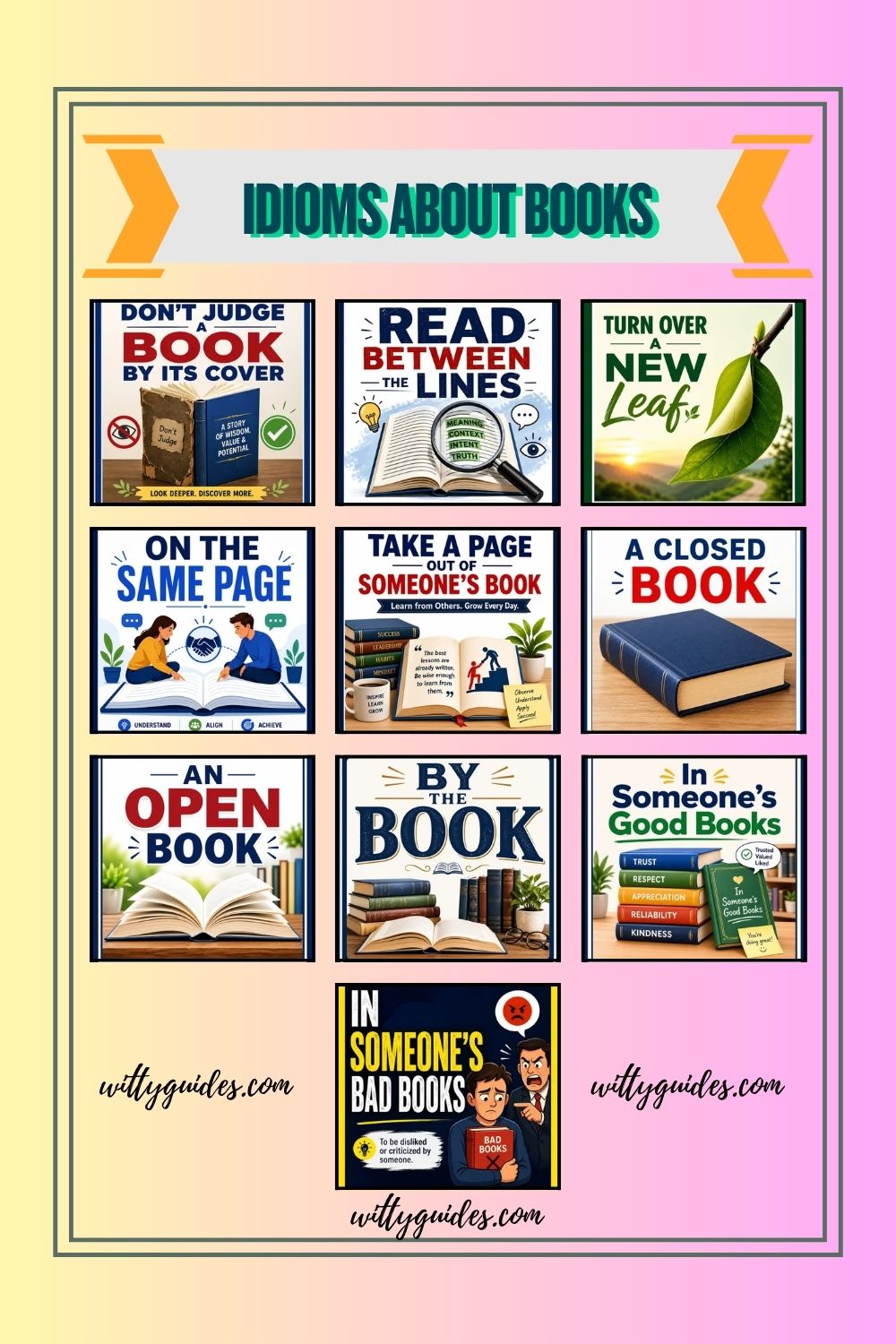
1. Don’t Judge a Book by Its Cover
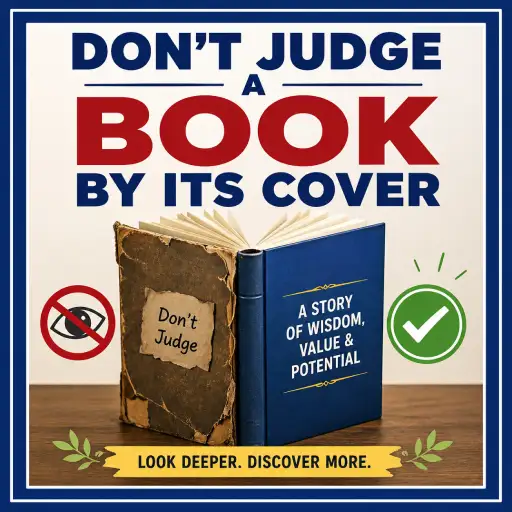
Meaning: Don’t judge based on appearance.
In a Sentence: He may seem quiet, but don’t judge a book by its cover.
Other Ways to Say: Look deeper, appearances can be misleading
Why It Works: A book’s cover doesn’t reveal its full content.
Best Used For: Advice and life lessons.
2. Read Between the Lines
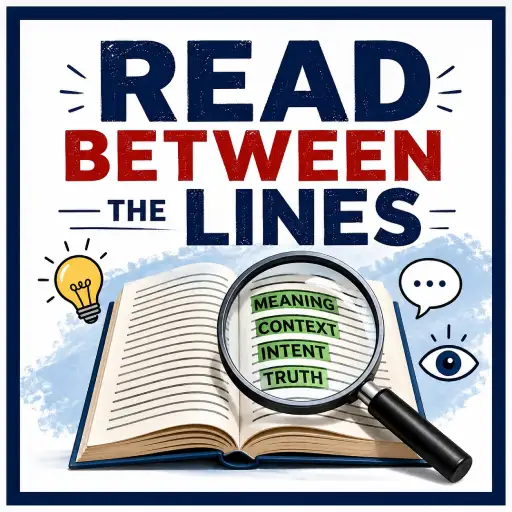
Meaning: Understand hidden meaning.
In a Sentence: You need to read between the lines to understand her message.
Other Ways to Say: Interpret carefully
Why It Works: Meaning isn’t always directly written.
Best Used For: Communication.
3. Turn Over a New Leaf

Meaning: Start fresh or change behavior.
In a Sentence: He decided to turn over a new leaf this year.
Other Ways to Say: Make a fresh start
Why It Works: A new page represents a new beginning.
Best Used For: Personal growth.
4. On the Same Page
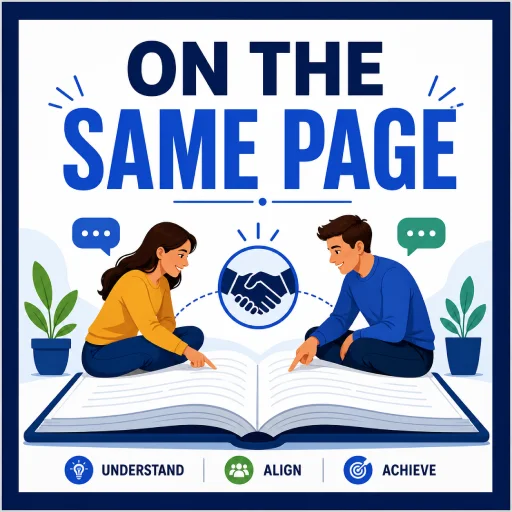
Meaning: Agree or understand each other.
In a Sentence: Let’s make sure we’re on the same page.
Other Ways to Say: In agreement
Why It Works: Being on the same page means shared understanding.
Best Used For: Work and teamwork.
5. Take a Page Out of Someone’s Book
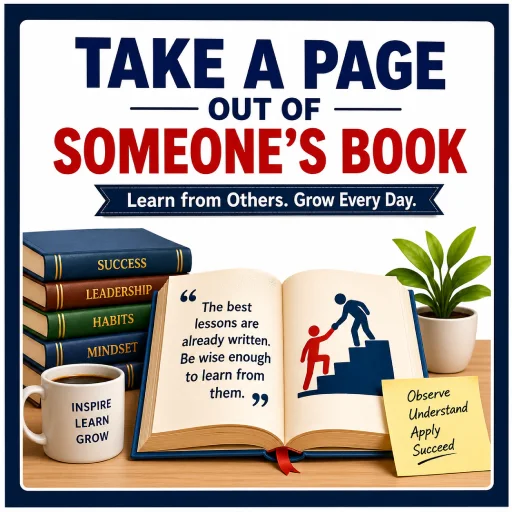
Meaning: Copy someone’s behavior.
In a Sentence: You should take a page out of her book.
Other Ways to Say: Learn from someone
Why It Works: Books contain ideas worth following.
Best Used For: Advice.
6. A Closed Book
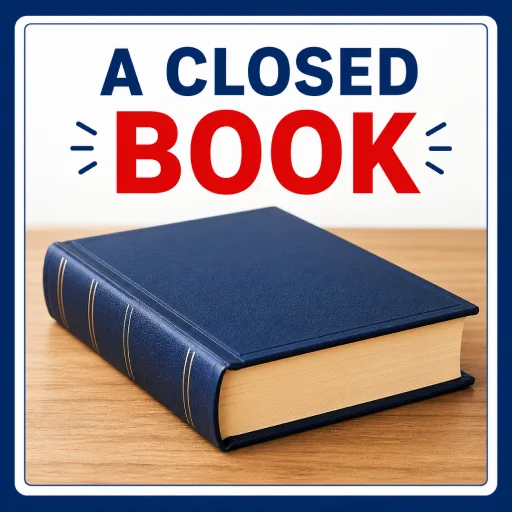
Meaning: Something hard to understand.
In a Sentence: Math is a closed book to me.
Other Ways to Say: Confusing
Why It Works: Closed books hide information.
Best Used For: Difficulty.
7. An Open Book
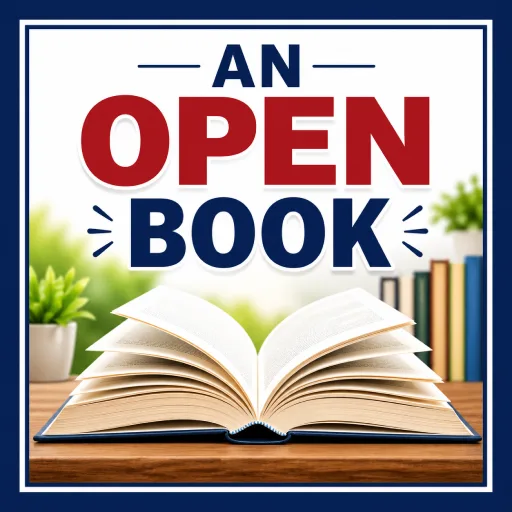
Meaning: Easy to understand someone.
In a Sentence: He’s an open book—you always know what he’s thinking.
Other Ways to Say: Transparent
Why It Works: Open books reveal everything.
Best Used For: Personality.
8. By the Book
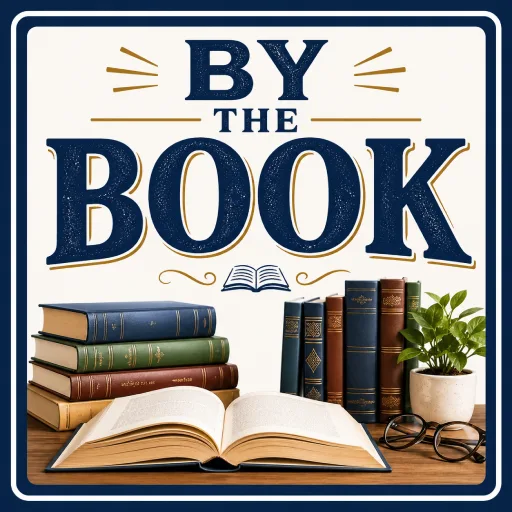
Meaning: Following rules exactly.
In a Sentence: She does everything by the book.
Other Ways to Say: Follow rules
Why It Works: Books represent official guidelines.
Best Used For: Work.
9. In Someone’s Good Books
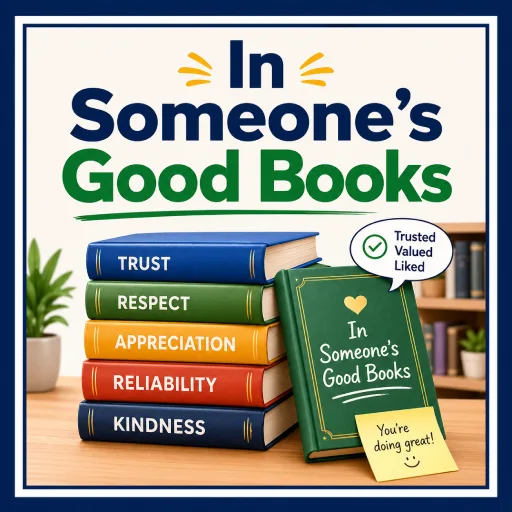
Meaning: In favor with someone.
In a Sentence: He’s in the boss’s good books.
Other Ways to Say: Approved, liked
Why It Works: Books represent records.
Best Used For: Relationships.
10. In Someone’s Bad Books
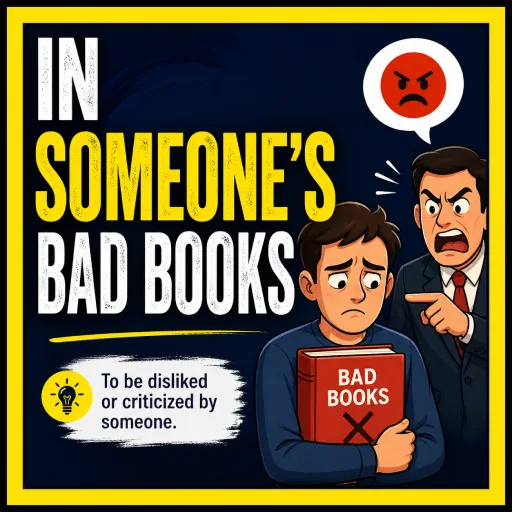
Meaning: Not liked by someone.
In a Sentence: Missing the meeting put him in her bad books.
Other Ways to Say: In trouble
Why It Works: Opposite of good books.
Best Used For: Conflict.
11. A Bookworm
Meaning: Someone who loves reading.
In a Sentence: She’s a real bookworm.
Other Ways to Say: Avid reader
Why It Works: Suggests constant reading.
Best Used For: Personality.
12. Throw the Book at Someone
Meaning: Punish severely.
In a Sentence: The judge threw the book at him.
Other Ways to Say: Punish harshly
Why It Works: Law books symbolize authority.
Best Used For: Legal situations.
13. Crack a Book
Meaning: Start studying.
In a Sentence: I need to crack a book tonight.
Other Ways to Say: Study
Why It Works: Opening a book starts learning.
Best Used For: Education.
14. Cook the Books
Meaning: Falsify financial records.
In a Sentence: The company was caught cooking the books.
Other Ways to Say: Cheat financially
Why It Works: Books = accounts.
Best Used For: Business.
15. In the History Books
Meaning: Remembered forever.
In a Sentence: That victory will go down in the history books.
Other Ways to Say: Be remembered
Why It Works: History is recorded in books.
Best Used For: Achievements.
16. A Page-Turner
Meaning: Very exciting story.
In a Sentence: That novel is a real page-turner.
Other Ways to Say: Engaging story
Why It Works: You keep turning pages.
Best Used For: Books and movies.
17. Take a Leaf Out of Your Book
Meaning: Follow someone’s example.
In a Sentence: I took a leaf out of her book.
Other Ways to Say: Learn from
Why It Works: Leaves = pages.
Best Used For: Advice.
18. Read Someone Like a Book
Meaning: Understand someone easily.
In a Sentence: I can read him like a book.
Other Ways to Say: Understand clearly
Why It Works: Books are readable.
Best Used For: Relationships.
19. Book Smart
Meaning: Academically intelligent.
In a Sentence: He’s book smart but lacks experience.
Other Ways to Say: Theoretical knowledge
Why It Works: Knowledge from books.
Best Used For: Education.
20. Street Smart vs Book Smart
Meaning: Practical vs academic knowledge.
In a Sentence: You need both street smarts and book smarts.
Other Ways to Say: Balanced intelligence
Why It Works: Contrasts learning types.
Best Used For: Advice.
21. By the Same Token (Book Style)
Meaning: Using similar reasoning.
In a Sentence: By the same token, we should reconsider.
Other Ways to Say: Similarly
Why It Works: Logical continuity.
Best Used For: Arguments.
22. Book It
Meaning: Leave quickly.
In a Sentence: We booked it out of there.
Other Ways to Say: Run away
Why It Works: Informal slang.
Best Used For: Casual speech.
23. In My Book
Meaning: In my opinion.
In a Sentence: In my book, honesty matters most.
Other Ways to Say: In my opinion
Why It Works: Personal rules.
Best Used For: Opinions.
24. Close the Book on Something
Meaning: Finish or end something.
In a Sentence: It’s time to close the book on that chapter.
Other Ways to Say: Move on
Why It Works: End of story.
Best Used For: Closure.
25. Write the Book on Something
Meaning: Be an expert.
In a Sentence: She could write the book on marketing.
Other Ways to Say: Expert
Why It Works: Books represent authority.
Best Used For: Expertise.
26. A New Chapter
Meaning: A new stage in life.
In a Sentence: Moving abroad started a new chapter.
Other Ways to Say: New beginning
Why It Works: Life as a story.
Best Used For: Life changes.
27. Lose Your Place
Meaning: Get confused or distracted.
In a Sentence: I lost my place during the presentation.
Other Ways to Say: Lose focus
Why It Works: Reading context.
Best Used For: Work.
28. Between the Covers
Meaning: Inside a book or hidden content.
In a Sentence: The truth lies between the covers.
Other Ways to Say: Inside
Why It Works: Book imagery.
Best Used For: Literature.
29. A Closed Chapter
Meaning: Something finished.
In a Sentence: That part of life is a closed chapter.
Other Ways to Say: Over
Why It Works: Story structure.
Best Used For: Reflection.
30. Turn the Page
Meaning: Move on.
In a Sentence: It’s time to turn the page.
Other Ways to Say: Move forward
Why It Works: Next stage.
Best Used For: Growth.
31. Story of My Life
Meaning: Something happens repeatedly.
In a Sentence: Missing the bus? Story of my life.
Other Ways to Say: Typical situation
Why It Works: Life as a story.
Best Used For: Humor.
32. A Cliffhanger
Meaning: Suspenseful ending.
In a Sentence: The episode ended on a cliffhanger.
Other Ways to Say: Suspenseful moment
Why It Works: Story tension.
Best Used For: Entertainment.
33. Lost in a Book
Meaning: Deeply absorbed in reading.
In a Sentence: He was lost in a book all evening.
Other Ways to Say: Fully engaged
Why It Works: Immersion.
Best Used For: Reading.
34. Open a New Chapter
Meaning: Begin something new.
In a Sentence: She opened a new chapter in her career.
Other Ways to Say: Start fresh
Why It Works: Story metaphor.
Best Used For: Transitions.
35. Write Your Own Story
Meaning: Control your life path.
In a Sentence: You have the power to write your own story.
Other Ways to Say: Shape your future
Why It Works: Life as a narrative.
Best Used For: Motivation.
36. Tear a Page Out
Meaning: Remove or reject something.
In a Sentence: He tore that page out of his past.
Other Ways to Say: Forget the past
Why It Works: Editing life.
Best Used For: Emotional growth.
How to Use Book Idioms in Writing
Book idioms are perfect for adding depth, clarity, and storytelling to your language.
Use them in:
Conversations
Essays
Creative writing
Motivational content
Professional communication
For example:
Use “on the same page” in teamwork
Use “turn the page” for growth
Use “read between the lines” for analysis
They make your communication feel more natural and expressive.
Final Thoughts
Book idioms turn everyday language into storytelling. They help you describe life, emotions, decisions, and relationships in a way that feels familiar and meaningful.
These 36 idioms about books give you a powerful toolkit to make your writing and speech more engaging, vivid, and human.
Now here’s a simple question for you: Which of these idioms best describes the chapter of life you’re currently in?