Fear is one of the most powerful human emotions. It can appear suddenly, linger quietly in the background, or grow into something overwhelming. Because fear is difficult to describe directly, writers often use metaphors to explain how it feels. If …
In everyday conversation, people often describe someone as “mean,” but the word alone sometimes does not capture the intensity of the behavior. English uses similes to make descriptions more vivid and expressive. These comparisons help show just how rude, harsh, …
Time is something we all experience but rarely stop to define. It moves constantly, shapes our lives, and influences every decision we make. Because time is abstract, English often explains it through metaphors. These comparisons help us visualize time as …
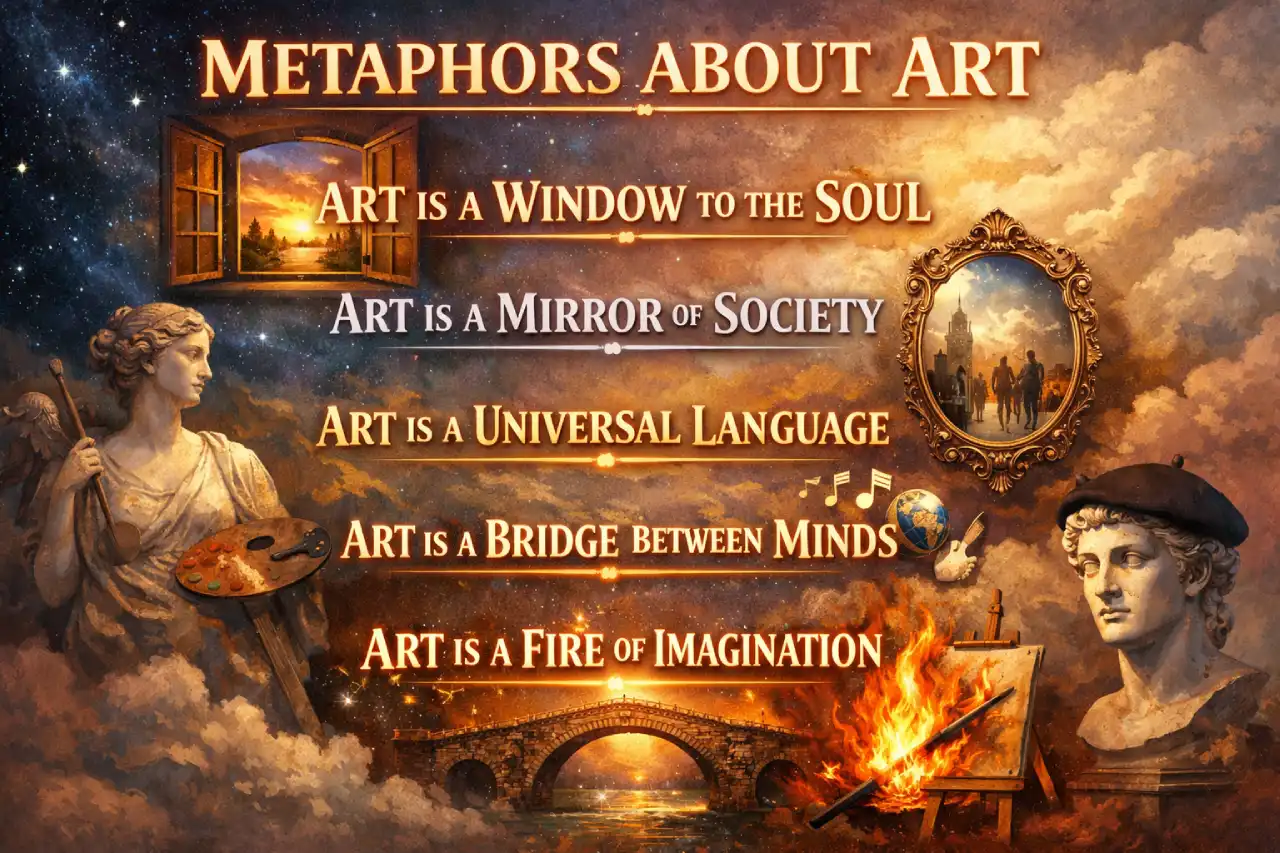
Art has always been more than paint on canvas or shapes in sculpture. It is a way people express emotions, ideas, and experiences. Because art is so expressive, writers often use metaphors to describe it in imaginative ways. These comparisons …
Sadness is a feeling everyone experiences at some point. Sometimes simple words like “sad” or “unhappy” do not fully express how deep the emotion feels. That is why English often uses similes to describe sadness more vividly by comparing it …
Snow has inspired writers, poets, and storytellers for centuries. Its quiet beauty, soft texture, and bright white appearance make it a powerful symbol in language. Because of this, English uses many metaphors to describe snow in creative ways, comparing it …
Truth is one of the most important ideas in communication. Whether we are telling a story, explaining a situation, or correcting misinformation, the concept of truth appears constantly in everyday language. Because of this, English has developed many idioms that …
Friendship is one of the most meaningful relationships in life. Because it is built on trust, support, and shared memories, writers and speakers often use metaphors to describe it in more expressive ways. Instead of simply saying “a good friend,” …
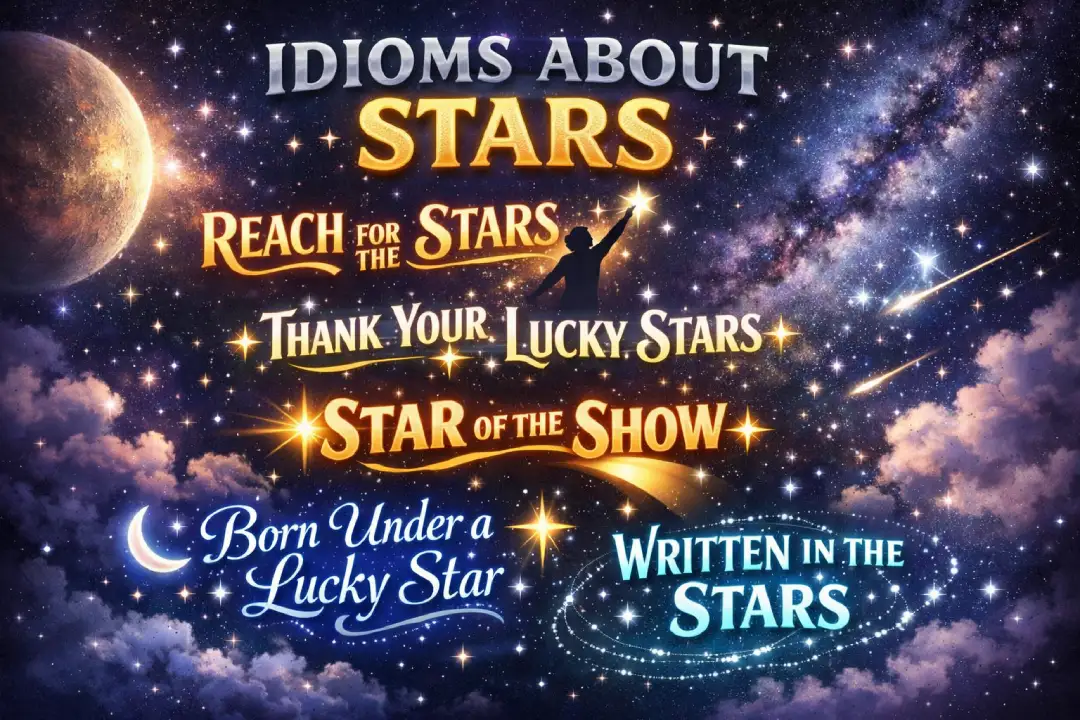
Stars have fascinated people for centuries. They appear in poetry, storytelling, movies, and everyday conversation. In English, many idioms use the word “star” to describe success, destiny, fame, and ambition. These expressions add color to language and help communicate emotions …
Eyes are one of the most expressive parts of the human body, and naturally, they appear in many English idioms. From showing surprise to describing attention or suspicion, idioms related to eyes are used in everyday conversations more often than …