
There’s a strange moment that happens in many homes.
You leave for work with a reasonably tidy kitchen. You come back a few hours later, and somehow the countertops are crowded, the living room looks chaotic, shoes have migrated across the floor, and a small pile of random items has appeared on the dining table.
Nothing dramatic happened. Life simply happened.
For years, I thought keeping a home organized meant setting aside entire weekends for cleaning projects. Then I discovered something far more effective: a home reset routine.
It didn’t make my house look magazine-perfect. What it did do was prevent small messes from turning into overwhelming ones. And honestly, that’s what most people need.
What Is a Home Reset Routine?
A home reset routine is a short, intentional period of time dedicated to returning your home to its baseline condition.
Think of it as hitting the reset button before clutter and disorder gain momentum.
Unlike deep cleaning, a home reset isn’t about scrubbing baseboards, washing windows, or organizing every closet. It’s simply about restoring order.
A typical home reset routine might include:
- Putting items back where they belong
- Clearing countertops
- Loading or unloading the dishwasher
- Folding blankets
- Taking out trash
- Doing a quick floor sweep
- Tidying high-traffic areas
The goal isn’t perfection.
The goal is making tomorrow easier than today.
Why a Home Reset Routine Matters More Than You Think

Many people underestimate how much their environment affects their mood.
I’ve noticed that when my home feels chaotic, even simple tasks seem harder. I procrastinate more. I feel distracted. Sometimes I can’t even relax because there’s a constant visual reminder of unfinished work surrounding me.
A quick reset changes that.
Research consistently shows that clutter can increase stress levels and mental fatigue. While a home reset won’t solve every problem, it removes a surprising amount of unnecessary friction from daily life.
Benefits often include:
- Reduced stress
- Better focus
- Easier cleaning days
- Improved productivity
- Less morning chaos
- More enjoyable evenings
- Greater sense of control
The biggest benefit, though, is consistency.
Small daily efforts usually beat occasional cleaning marathons.
The Difference Between Cleaning and Resetting
One of the biggest misconceptions is that a reset routine equals cleaning.
They’re related, but they’re not the same thing.
| Home Reset | Deep Cleaning |
|---|---|
| 10–30 minutes | Several hours |
| Focuses on tidiness | Focuses on cleanliness |
| Done daily or frequently | Done weekly or monthly |
| Removes clutter | Removes dirt and grime |
| Creates order | Creates sanitation |
A reset prepares your home for cleaning.
Cleaning maintains the condition of your home.
Both matter, but they’re different jobs.
How Long Should a Home Reset Take?
Most effective home reset routines take between 10 and 30 minutes.
That’s it.
In fact, longer isn’t always better.
When people create hour-long routines, they often abandon them after a few weeks because they’re difficult to sustain.
A shorter routine tends to stick.
I usually recommend starting with 15 minutes and adjusting later if needed.
The best routine is the one you’ll actually do.
The Ideal Evening Home Reset Routine
Many households find that evenings work best because you’re preparing for the next day.
Here’s a practical evening reset sequence.
Step 1: Start With the Kitchen
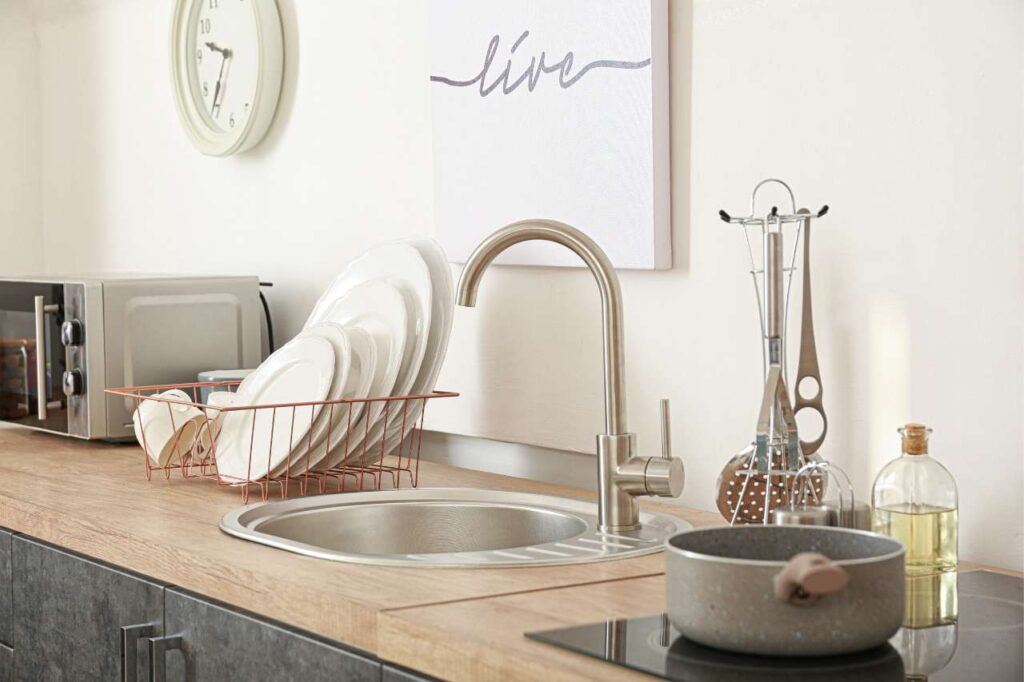
The kitchen often creates the biggest visual impact.
Focus on:
- Loading the dishwasher
- Washing remaining dishes
- Wiping counters
- Emptying the sink
- Taking out trash if needed
Waking up to a clean kitchen can completely change the tone of your morning.
Step 2: Tidy the Living Areas

Walk through common spaces and put things back.
This may include:
- Folding blankets
- Organizing pillows
- Returning books
- Clearing coffee tables
- Collecting misplaced items
A laundry basket works surprisingly well for gathering things that belong elsewhere.
Step 3: Handle Floors Quickly
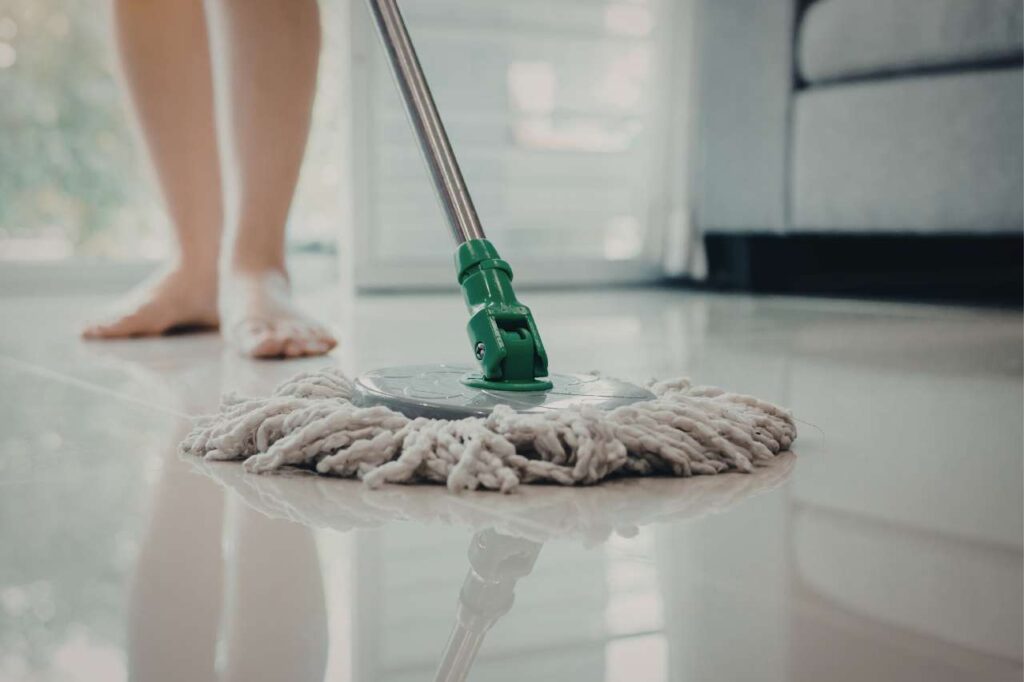
You don’t need to vacuum every inch of the house.
Instead:
- Pick up visible debris
- Spot sweep high-traffic areas
- Straighten rugs
- Move shoes to designated spots
The goal is improving appearance, not perfection.
Step 4: Prepare for Tomorrow

This step is often overlooked.
Consider:
- Packing lunches
- Setting out workout clothes
- Preparing coffee supplies
- Charging devices
- Checking schedules
This turns your reset routine into a life-management tool rather than just a cleaning habit.
Morning Reset vs. Evening Reset
Both approaches can work.
Morning Reset
Best for people who:
- Work from home
- Have flexible schedules
- Feel motivated early in the day
Benefits include:
- Starting fresh
- Increased productivity
- Cleaner work environment
Evening Reset
Best for people who:
- Have busy mornings
- Want a peaceful start to the next day
- Prefer winding down with a routine
For many families, evening resets tend to be easier to maintain.
Common Home Reset Mistakes
I’ve seen people unintentionally make this habit harder than it needs to be.
Trying to Deep Clean Every Time
A reset should stay simple.
Once you start scrubbing grout or reorganizing closets, you’ve moved beyond resetting.
Focusing on Hidden Spaces
Closets and storage rooms can wait.
Concentrate on visible areas that affect daily life.
Doing Everything Alone
If you live with family members, everyone should participate.
Even young children can:
- Put away toys
- Carry laundry
- Return books
- Clear surfaces
Creating an Unrealistic Routine
An ambitious routine that lasts one week is less valuable than a simple routine that lasts a year.
Keep it sustainable.
How Families Can Make Home Resets Easier
The most successful family resets usually follow one simple rule:
Everyone resets their own mess first.
This prevents one person from becoming the household cleanup manager.
Some families use:
- 10-minute reset timers
- Music playlists
- Checklists
- Reward systems for younger children
The exact system matters less than creating consistency.
Areas That Deliver the Biggest Impact
If you’re short on time, focus on these zones first:
- Kitchen
- Entryway
- Living room
- Bathroom counters
- Dining area
These spaces create most of the visual impression of your home.
A tidy kitchen and living room can make the entire house feel cleaner than it actually is.
Can a Home Reset Routine Help Mental Health?

A home reset isn’t a replacement for professional mental health support.
However, many people find that maintaining basic order reduces daily stress.
There’s something reassuring about ending the day knowing things are reasonably under control.
When life feels busy, uncertain, or overwhelming, small routines create stability.
A home reset is less about cleaning and more about creating an environment that supports your well-being.
Creating Your Own Home Reset Routine

No two households operate the same way.
Someone living alone in a studio apartment will need a different routine than a family with three children and a dog.
A good starting point is asking:
- Which areas become messy fastest?
- What frustrates me most each day?
- What would make tomorrow easier?
Build your routine around those answers.
Don’t copy someone else’s system exactly.
Create one that fits your life.
Frequently Asked Questions
How often should I do a home reset routine?
Most people benefit from doing a quick reset daily, especially in high-traffic areas.
What is the best time for a home reset?
Evening tends to work best because it prepares the home for the next day, but mornings can be effective as well.
How long should a daily home reset take?
Typically 10 to 30 minutes. Many households find 15 minutes is enough.
Is a home reset the same as cleaning?
No. A reset focuses on tidiness and organization, while cleaning focuses on removing dirt and maintaining hygiene.
What if I miss a day?
Simply start again the next day. The goal is consistency over time, not perfection.
Final Thoughts
The homes that feel calm and organized aren’t always the ones with the most storage, the newest furniture, or the biggest cleaning budgets.
More often, they’re the homes where small habits quietly happen every day.
A home reset routine is one of those habits. It doesn’t demand much. Fifteen minutes here, twenty minutes there. Yet those small efforts compound in ways people rarely notice until they stop doing them.
The real magic isn’t having a spotless house. It’s waking up in a space that feels ready for your life instead of waiting for your attention.
So here’s something worth considering: if you spent just 15 minutes tonight resetting your home, what would tomorrow morning feel like?