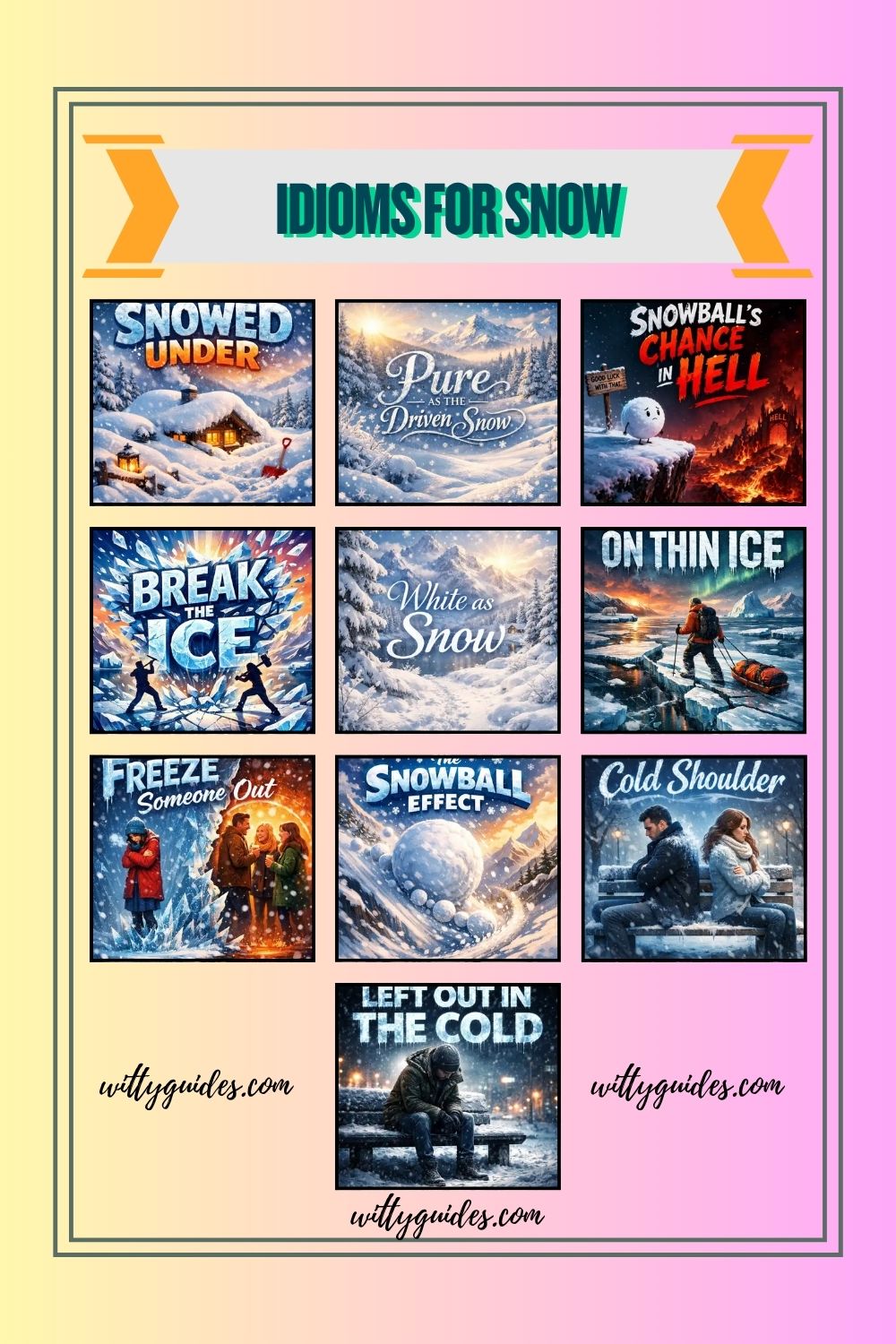
Snow has a special place in English. It can suggest beauty, silence, coldness, difficulty, purity, or even complete confusion. Because snow changes landscapes so dramatically, it also shapes language in memorable ways. That is why idioms for snow are so useful. They turn everyday situations into vivid images that feel immediate and easy to picture.
An idiom is a phrase whose meaning is different from the literal meaning of the individual words. For example, if someone says they were snowed under, they usually do not mean they are literally buried beneath snow. They mean they are overwhelmed with work or responsibilities. In the same way, snow-related expressions often describe stress, silence, cold reactions, confusion, and rapid change.
From chilly comparisons to playful winter expressions, English is full of phrases inspired by snow. This guide to 40 idioms for snow breaks down these expressions in a clear and engaging way so you can use them confidently in conversation or writing.
1. Snowed Under

Meaning: Extremely busy or overwhelmed with work, tasks, or responsibilities.
In a Sentence: I’ve been completely snowed under with emails since Monday morning.
Other Ways to Say: Overloaded, buried in work, overwhelmed
Why It Works: Heavy snowfall can bury everything in sight, so the image fits moments when tasks pile up and feel impossible to manage.
Best Used For: Work stress, school deadlines, and periods of intense responsibility.
2. Pure as the Driven Snow

Meaning: Completely innocent, morally clean, or seemingly spotless in character.
In a Sentence: He acted as if he were as pure as the driven snow, even though everyone knew the full story.
Other Ways to Say: Innocent, spotless, blameless
Why It Works: Freshly fallen snow looks untouched and flawless, making it a powerful symbol of purity.
Best Used For: Character descriptions, irony, and discussions of innocence or reputation.
3. White as Snow

Meaning: Extremely pale, bright white, or completely colorless.
In a Sentence: After hearing the bad news, her face turned white as snow.
Other Ways to Say: Pale as paper, ghostly pale, bright white
Why It Works: Snow is one of the strongest visual symbols of whiteness in nature.
Best Used For: Physical descriptions, fear reactions, and visual imagery.
4. A Snowball Effect
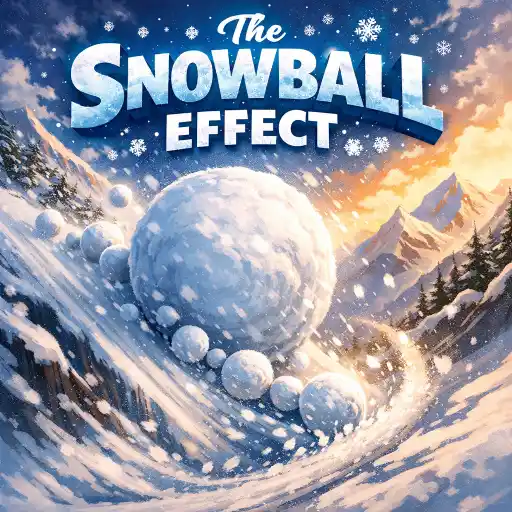
Meaning: A situation that starts small but grows bigger and stronger over time.
In a Sentence: One small delay created a snowball effect that pushed the entire project off schedule.
Other Ways to Say: Chain reaction, growing momentum, escalating outcome
Why It Works: A snowball becomes larger as it rolls, just like problems or successes that build quickly.
Best Used For: Business, planning, personal habits, and discussions of growing consequences.
5. Snowball’s Chance in Hell

Meaning: Almost no chance at all.
In a Sentence: He doesn’t have a snowball’s chance in hell of finishing that work in one hour.
Other Ways to Say: No chance, almost impossible, highly unlikely
Why It Works: Snow cannot survive in hellish heat, so the phrase emphasizes impossibility in a vivid, dramatic way.
Best Used For: Informal conversations, humorous exaggeration, and strong doubt.
6. Break the Ice
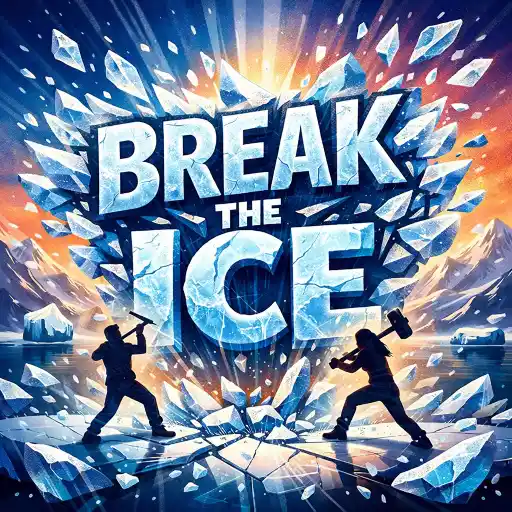
Meaning: To make people feel more comfortable and begin social interaction.
In a Sentence: She told a funny story at the start of the meeting to break the ice.
Other Ways to Say: Ease the tension, get the conversation started, make people comfortable
Why It Works: Ice creates separation and stillness, so breaking it symbolizes opening communication.
Best Used For: Meetings, introductions, parties, and first conversations.
7. On Thin Ice

Meaning: In a risky or dangerous situation where one mistake could cause trouble.
In a Sentence: After missing two deadlines, he knew he was on thin ice with his manager.
Other Ways to Say: In danger, at risk, in a fragile position
Why It Works: Thin ice looks stable but can collapse suddenly, just like a weak personal or professional situation.
Best Used For: Workplace issues, relationships, and warnings about risky behavior.
8. Freeze Someone Out
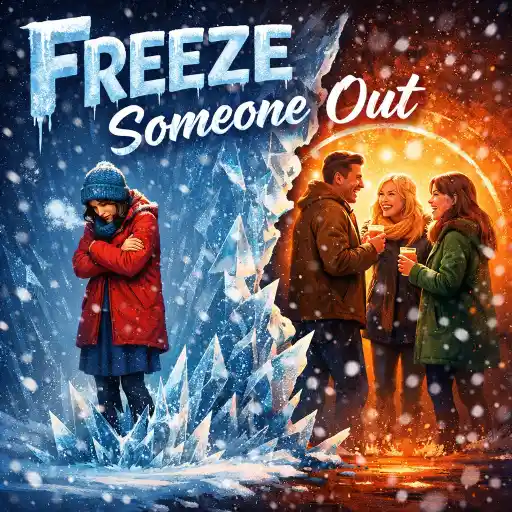
Meaning: To deliberately ignore or exclude someone.
In a Sentence: The group froze her out after the argument and stopped inviting her to events.
Other Ways to Say: Exclude, shut out, ignore intentionally
Why It Works: Coldness is often associated with emotional distance, making this image feel sharp and immediate.
Best Used For: Social conflict, workplace tension, and relationship dynamics.
9. Cold Shoulder

Meaning: An unfriendly or distant response.
In a Sentence: He expected a warm welcome but got the cold shoulder instead.
Other Ways to Say: Frosty reception, dismissive attitude, chilly response
Why It Works: Coldness suggests lack of warmth, affection, or friendliness.
Best Used For: Social tension, family conflict, and descriptions of rejection.
10. Left Out in the Cold
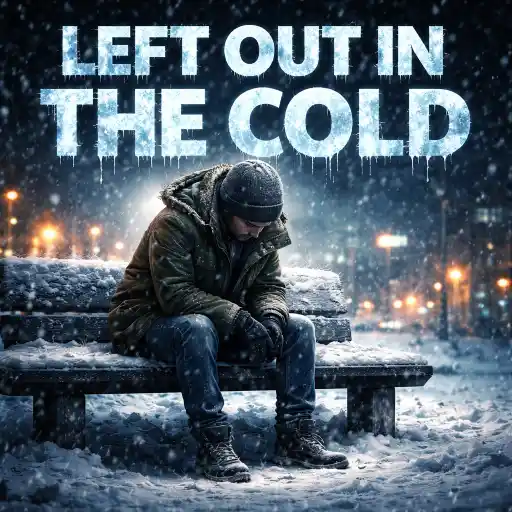
Meaning: Excluded, ignored, or abandoned from something important.
In a Sentence: Several employees felt left out in the cold when the decision was made without them.
Other Ways to Say: Excluded, ignored, pushed aside
Why It Works: Being outside in winter suggests discomfort, isolation, and lack of protection.
Best Used For: Group decisions, workplace exclusion, and emotional isolation.
11. Give Someone the Chills
Meaning: To frighten, unsettle, or strongly affect someone emotionally.
In a Sentence: That abandoned cabin in the woods gave me the chills.
Other Ways to Say: Creep someone out, unsettle, make someone shiver
Why It Works: Cold physical reactions are often connected with fear and unease.
Best Used For: Scary stories, eerie settings, and unsettling experiences.
12. Send a Chill Down Someone’s Spine
Meaning: To cause sudden fear, shock, or intense discomfort.
In a Sentence: The strange whisper in the hallway sent a chill down my spine.
Other Ways to Say: Terrify, unsettle deeply, cause goosebumps
Why It Works: The phrase connects fear with a cold, physical sensation that many people recognize immediately.
Best Used For: Horror writing, suspense, and emotional storytelling.
13. In the Cold Light of Day
Meaning: Seen clearly and realistically after emotion or excitement has faded.
In a Sentence: In the cold light of day, the plan didn’t seem nearly as brilliant as it had the night before.
Other Ways to Say: With clear judgment, realistically, after careful thought
Why It Works: Daylight reveals detail without softness or illusion, and the word cold adds a sense of honesty.
Best Used For: Reflection, decision-making, and analysis after emotional moments.
14. Snow Job
Meaning: A clever but deceptive explanation meant to mislead someone.
In a Sentence: His long speech sounded impressive, but it turned out to be a complete snow job.
Other Ways to Say: Deception, polished lie, misleading talk
Why It Works: Snow can cover what lies underneath, just as polished words can hide the truth.
Best Used For: Politics, sales talk, and situations involving manipulation.
15. Be Snowed In
Meaning: To be trapped indoors or unable to leave because of heavy snow, or figuratively unable to move forward.
In a Sentence: We were snowed in all weekend and ended up watching movies by the fireplace.
Other Ways to Say: Trapped inside, stuck indoors, blocked in
Why It Works: Heavy snowfall physically blocks movement, making the phrase both literal and metaphorical.
Best Used For: Winter weather, travel delays, and feelings of being stuck.
16. Snow Something Under
Meaning: To hide or bury something beneath a larger issue or distraction.
In a Sentence: The real problem got snowed under by all the unnecessary debate.
Other Ways to Say: Bury, hide beneath noise, push aside
Why It Works: Snow covers whatever lies below it, often making important things harder to see.
Best Used For: Discussions, politics, workplace confusion, and overlooked priorities.
17. Cold Feet
Meaning: Sudden fear or hesitation before doing something important.
In a Sentence: He got cold feet the night before the big presentation.
Other Ways to Say: Lose nerve, hesitate, back away nervously
Why It Works: Coldness is linked with fear and discomfort, which matches last-minute hesitation.
Best Used For: Weddings, performances, business decisions, and stressful commitments.
18. Freeze Up
Meaning: To become unable to think, move, or respond because of fear or pressure.
In a Sentence: I knew the answer, but I froze up when the teacher called on me.
Other Ways to Say: Panic, go blank, lock up
Why It Works: Freezing suggests total stillness, which matches the mental shutdown people feel under pressure.
Best Used For: Public speaking, test anxiety, and stressful moments.
19. Put Something on Ice

Meaning: To pause, delay, or temporarily set aside a plan.
In a Sentence: We decided to put the trip on ice until next spring.
Other Ways to Say: Postpone, delay, set aside for now
Why It Works: Ice preserves things without ending them completely, which suits ideas that are paused but not canceled.
Best Used For: Projects, travel plans, business decisions, and delayed goals.
20. In Cold Blood
Meaning: Done deliberately and without emotion or mercy.
In a Sentence: The decision was made in cold blood, with no concern for the people affected.
Other Ways to Say: Ruthlessly, deliberately, without compassion
Why It Works: Coldness here suggests the complete absence of warmth, pity, or feeling.
Best Used For: Serious writing, crime discussions, and morally harsh situations.
21. Dead of Winter
Meaning: The coldest, darkest, and most intense part of winter.
In a Sentence: We visited the cabin in the dead of winter, when the lake was completely frozen.
Other Ways to Say: Midwinter, deepest winter, harshest winter period
Why It Works: The word dead emphasizes stillness, coldness, and the quiet severity of the season.
Best Used For: Seasonal writing, travel, and descriptive storytelling.
22. Blow Hot and Cold
Meaning: To keep changing one’s attitude or feelings.
In a Sentence: She blows hot and cold about the idea, so it’s hard to know where she stands.
Other Ways to Say: Be inconsistent, change moods, send mixed signals
Why It Works: Shifting temperatures mirror changing emotions and unreliable behavior.
Best Used For: Relationships, workplace indecision, and inconsistent communication.
23. Cold Comfort

Meaning: Small or disappointing comfort that does not really help much.
In a Sentence: Knowing we tried our best was cold comfort after losing the contract.
Other Ways to Say: Weak consolation, little relief, disappointing comfort
Why It Works: Coldness removes the warmth we normally associate with reassurance and comfort.
Best Used For: Setbacks, disappointment, and reflective writing.
24. Walking on Ice
Meaning: Acting in a cautious way because the situation feels risky or unstable.
In a Sentence: After the tense disagreement, everyone was walking on ice in the office.
Other Ways to Say: Tread carefully, be cautious, move carefully
Why It Works: Ice can be slippery and unpredictable, making it a perfect image for fragile situations.
Best Used For: Workplace tension, family conflict, and delicate conversations.
25. Frozen Solid
Meaning: Completely unable to move, decide, or react.
In a Sentence: When they announced my name, I stood there frozen solid for a second.
Other Ways to Say: Totally stuck, unable to respond, completely still
Why It Works: Something frozen solid has no flexibility at all, just like a person caught in shock or fear.
Best Used For: Embarrassment, fear, and intense emotional moments.
26. Ice in the Veins

Meaning: Exceptional calmness under pressure.
In a Sentence: She has ice in her veins and never panics during a crisis.
Other Ways to Say: Cool under pressure, incredibly calm, steady-nerved
Why It Works: Ice suggests total coolness and emotional control, especially in tense situations.
Best Used For: Leadership, sports, crisis management, and admiration for composure.
27. Snow-Covered Silence
Meaning: A quiet, heavy stillness that feels deep and complete.
In a Sentence: After the argument, the room fell into a snow-covered silence.
Other Ways to Say: Heavy silence, quiet stillness, blank silence
Why It Works: Snow softens sound and covers everything, which makes it a powerful image for deep silence.
Best Used For: Emotional writing, atmosphere, and reflective scenes.
28. Like Snow in April
Meaning: Something unusual, unexpected, or out of place.
In a Sentence: His apology felt like snow in April—rare, surprising, and impossible to ignore.
Other Ways to Say: Unexpected, unusual, surprising
Why It Works: Snow in spring feels out of season and instantly noticeable.
Best Used For: Surprises, irony, and striking changes in behavior.
29. Chilled to the Bone

Meaning: Extremely cold or deeply affected in an unsettling way.
In a Sentence: The wind chilled us to the bone before we reached the lodge.
Other Ways to Say: Freezing, deeply cold, bitterly chilled
Why It Works: The phrase exaggerates coldness by suggesting it reaches the deepest part of the body.
Best Used For: Winter scenes, travel writing, and dramatic physical descriptions.
30. Snowdrift of Excuses
Meaning: A large pile of excuses that keeps growing.
In a Sentence: Instead of a real answer, he offered a snowdrift of excuses.
Other Ways to Say: Pile of excuses, endless justifications, stacked explanations
Why It Works: Snowdrifts build up in thick layers, much like repeated excuses that bury the truth.
Best Used For: Informal criticism, humor, and workplace commentary.
31. Cold as Ice
Meaning: Emotionally distant, unfriendly, or lacking warmth.
In a Sentence: Her reply was cold as ice and ended the conversation instantly.
Other Ways to Say: Emotionless, chilly, distant
Why It Works: Ice is the clearest symbol of emotional coldness and lack of warmth.
Best Used For: Character descriptions, tense exchanges, and emotional distance.
32. Snowblind
Meaning: Unable to think clearly because of too much confusion, detail, or distraction.
In a Sentence: After reading ten different opinions online, I felt completely snowblind.
Other Ways to Say: Overwhelmed, mentally foggy, unable to see clearly
Why It Works: Real snow blindness comes from too much bright reflection, so it works well for mental overload too.
Best Used For: Information overload, confusing decisions, and modern digital life.
33. Ice-Cold Reception
Meaning: A very unfriendly or unwelcoming response.
In a Sentence: The proposal got an ice-cold reception from the board.
Other Ways to Say: Frosty welcome, cold response, chilly reaction
Why It Works: Extreme cold captures the emotional distance and rejection of the situation.
Best Used For: Meetings, social events, and first impressions gone wrong.
34. Snowflake Decision
Meaning: A fragile or overly sensitive choice that may not handle pressure well.
In a Sentence: That policy felt like a snowflake decision—it looked pretty, but it melted under pressure.
Other Ways to Say: Fragile choice, weak plan, delicate decision
Why It Works: Snowflakes are beautiful but delicate, which makes the comparison vivid and memorable.
Best Used For: Commentary, critique, and informal analysis.
35. Ice Over
Meaning: To become emotionally closed, distant, or unresponsive.
In a Sentence: After the betrayal, he slowly iced over and stopped trusting people.
Other Ways to Say: Shut down emotionally, go cold, withdraw
Why It Works: Water turning to ice suggests warmth disappearing and movement stopping.
Best Used For: Emotional writing, relationships, and character development.
36. A Blizzard of Activity
Meaning: A sudden, intense burst of busy action.
In a Sentence: The office turned into a blizzard of activity before the product launch.
Other Ways to Say: Rush of activity, whirlwind of action, intense burst of work
Why It Works: A blizzard is powerful, fast, and overwhelming, just like a burst of last-minute action.
Best Used For: Workplaces, events, deadlines, and chaotic preparation.
37. Frozen Out of the Conversation
Meaning: Excluded from discussion or ignored by others.
In a Sentence: She felt frozen out of the conversation as soon as the old friends started reminiscing.
Other Ways to Say: Shut out, excluded, left out
Why It Works: Freezing someone out suggests emotional coldness and deliberate distance.
Best Used For: Social dynamics, meetings, and relationship tension.
38. Snowline of Patience
Meaning: The limit beyond which patience disappears.
In a Sentence: By the third delay, we had all reached the snowline of patience.
Other Ways to Say: End of patience, limit of tolerance, breaking point
Why It Works: A snowline marks a visible boundary in nature, so it works well as a metaphorical limit too.
Best Used For: Frustration, delays, and pressure-filled situations.
39. Cold Snap

Meaning: A sudden period of emotional coldness or a sudden downturn in mood, in a figurative sense.
In a Sentence: After their disagreement, there was a cold snap between them for several days.
Other Ways to Say: Sudden chill, emotional distance, frosty period
Why It Works: A cold snap arrives quickly and changes the atmosphere at once, just like tension between people.
Best Used For: Relationships, family conflict, and mood changes.
40. Melt the Ice
Meaning: To reduce tension and bring warmth back into a situation.
In a Sentence: Her sincere apology finally melted the ice between them.
Other Ways to Say: Ease tension, restore warmth, repair the atmosphere
Why It Works: Ice symbolizes emotional distance, so melting it suggests healing and renewed connection.
Best Used For: Reconciliation, team building, and repairing conflict.
How to Use Snow Idioms Naturally
Snow idioms work especially well because snow is so visual. It can bury, soften, chill, freeze, brighten, and transform whatever it touches. That gives English a rich set of expressions for pressure, silence, emotional distance, fear, and change.
For example, instead of saying you are very busy, snowed under sounds more vivid and relatable. Instead of saying a situation is risky, on thin ice creates a sharper mental picture. And if someone is excluded, left out in the cold, it adds emotional texture that a plain sentence might miss.
These idioms are especially useful in:
- Everyday conversation
- Workplace communication
- Storytelling
- Reflective writing
- Seasonal or winter-themed content
The best approach is to use them where the image matches the tone. A strong idiom should make the sentence feel clearer and more memorable, not forced.
Final Thoughts
Snow may look quiet and simple on the surface, but it inspires a surprisingly wide range of expressions in English. The 40 idioms for snow in this guide show how snowy language can describe stress, fear, silence, emotional distance, caution, and even unexpected opportunity.
Some of these idioms are playful, some dramatic, and some deeply practical in daily life. Together, they prove that winter imagery can make language feel sharper, richer, and more expressive.
Now here’s a simple question for you: Which of these snow idioms best describes your week right now—snowed under, on thin ice, or finally starting to melt the ice?