Hair shows up in English more often than you might expect. It appears in idioms about stress, fear, precision, appearance, and even tiny differences. That’s why idioms for hair are surprisingly useful. They add personality to everyday language and often create a vivid image instantly.
An idiom is a phrase whose meaning is different from the literal words. For example, if someone says they are “tearing their hair out,” they usually do not mean they are literally pulling out their hair. They mean they are extremely frustrated. In the same way, expressions involving hair can describe worry, closeness, danger, style, and strong emotions in a memorable way.
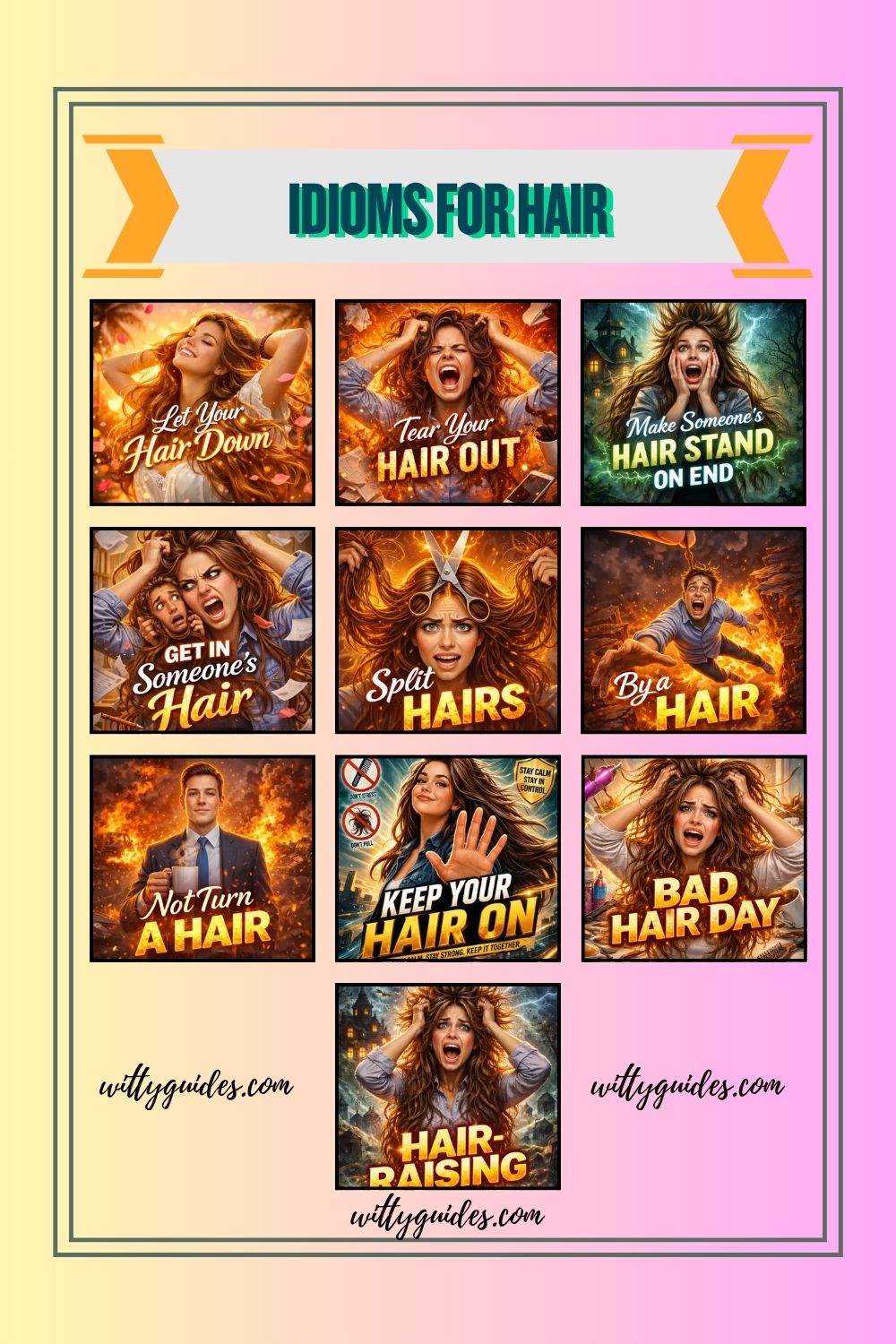
Language becomes more fun and expressive with idioms. In this guide featuring 30 idioms for hair, you’ll explore popular hair-related expressions explained in a simple format that helps you understand their meanings and use them confidently in speaking or writing.
1. Let Your Hair Down

Meaning: To relax and enjoy yourself without worrying about rules or appearances.
In a Sentence: After the conference ended, everyone finally let their hair down at dinner.
Other Ways to Say: Relax, unwind, loosen up
Why It Works: Hair worn down often suggests comfort and freedom rather than strict formality.
Best Used For: Casual conversations, parties, weekends, and moments of relaxation.
2. Tear Your Hair Out
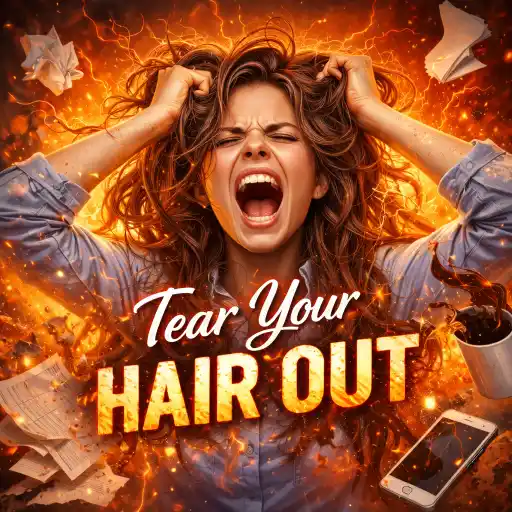
Meaning: To feel extremely frustrated, stressed, or upset.
In a Sentence: I was tearing my hair out trying to fix that computer problem.
Other Ways to Say: Be extremely frustrated, lose patience, feel overwhelmed
Why It Works: The image is dramatic and makes the feeling of stress immediately clear.
Best Used For: Describing intense frustration in work, parenting, or problem-solving situations.
3. Make Someone’s Hair Stand on End
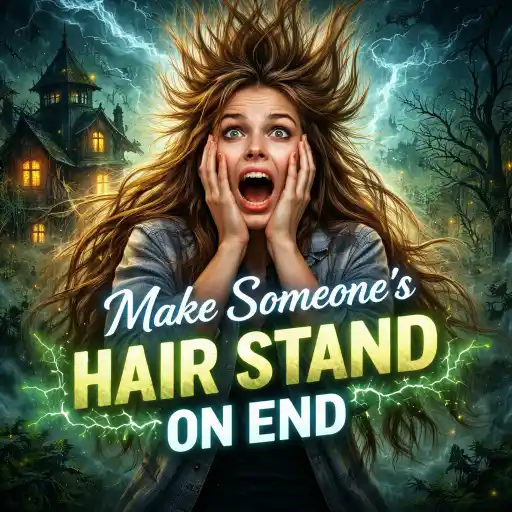
Meaning: To frighten or shock someone badly.
In a Sentence: The ghost story made my hair stand on end.
Other Ways to Say: Terrify someone, give someone chills, scare badly
Why It Works: Fear is often connected to a physical reaction, and this idiom exaggerates that reaction vividly.
Best Used For: Scary stories, shocking news, and dramatic descriptions.
4. Get in Someone’s Hair
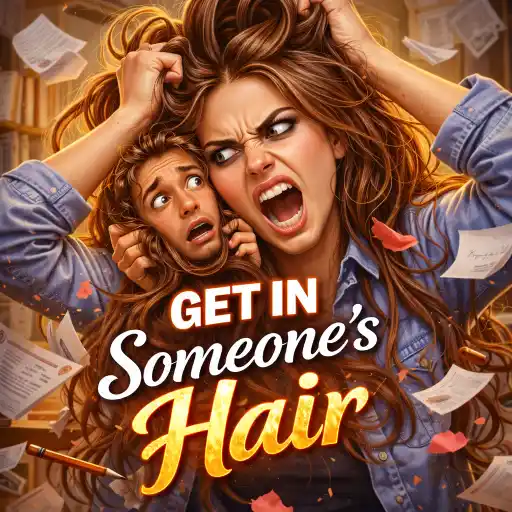
Meaning: To annoy or bother someone continually.
In a Sentence: The kids were in her hair all afternoon while she tried to work.
Other Ways to Say: Bother someone, pester someone, get on someone’s nerves
Why It Works: Hair is personal space, so the idiom suggests unwanted closeness or irritation.
Best Used For: Family life, workplace interruptions, and casual complaints.
5. Split Hairs
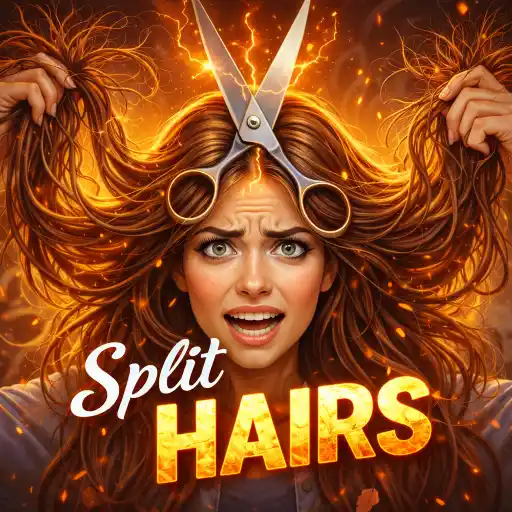
Meaning: To argue over very small or unimportant details.
In a Sentence: We don’t need to split hairs about the wording when we all agree on the main point.
Other Ways to Say: Nitpick, overanalyze, argue over tiny details
Why It Works: A single hair is already tiny, so splitting it suggests extreme and unnecessary precision.
Best Used For: Discussions, debates, editing, and situations involving overthinking.
6. By a Hair
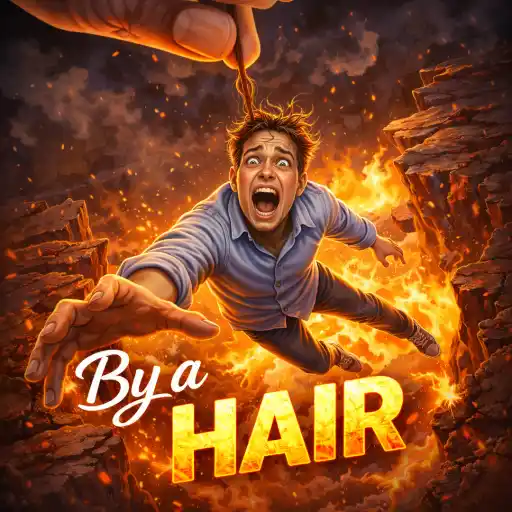
Meaning: By a very small amount or margin.
In a Sentence: She won the race by a hair.
Other Ways to Say: Barely, narrowly, by the smallest margin
Why It Works: Hair symbolizes something extremely fine and small.
Best Used For: Close results, tight races, and narrow escapes.
7. Not Turn a Hair
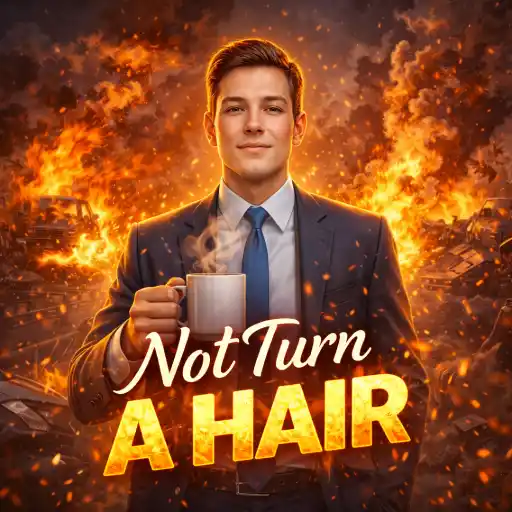
Meaning: To remain calm and show no reaction.
In a Sentence: Even when the plan went wrong, she didn’t turn a hair.
Other Ways to Say: Stay calm, remain unfazed, show no emotion
Why It Works: The image suggests such complete control that not even a single hair moves.
Best Used For: Describing calm people in stressful or surprising situations.
8. Keep Your Hair On
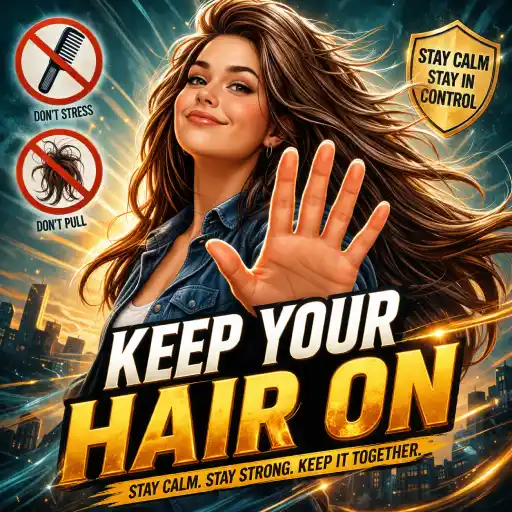
Meaning: To stay calm and not become angry or upset.
In a Sentence: Keep your hair on—we can solve this without shouting.
Other Ways to Say: Calm down, relax, don’t get worked up
Why It Works: The phrase humorously suggests that anger is so intense you might somehow lose your hair.
Best Used For: Informal conversations when someone is overreacting.
9. Bad Hair Day
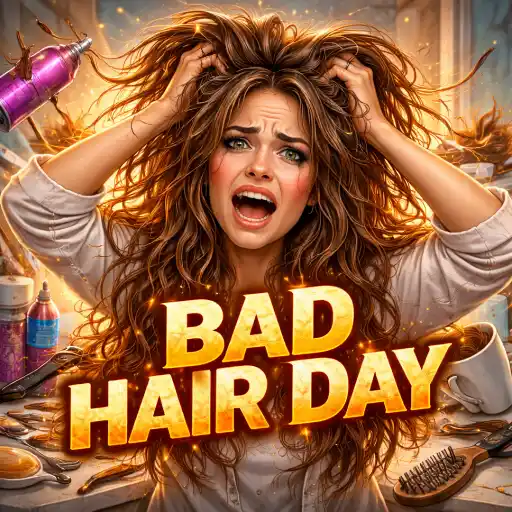
Meaning: A day when everything seems to go wrong or you feel out of sorts.
In a Sentence: I’m having a total bad hair day, so I need extra coffee and no surprises.
Other Ways to Say: Off day, rough day, not my day
Why It Works: A messy hairstyle is used as a symbol for a generally frustrating day.
Best Used For: Casual conversation, humor, and relatable everyday complaints.
10. Hair-Raising
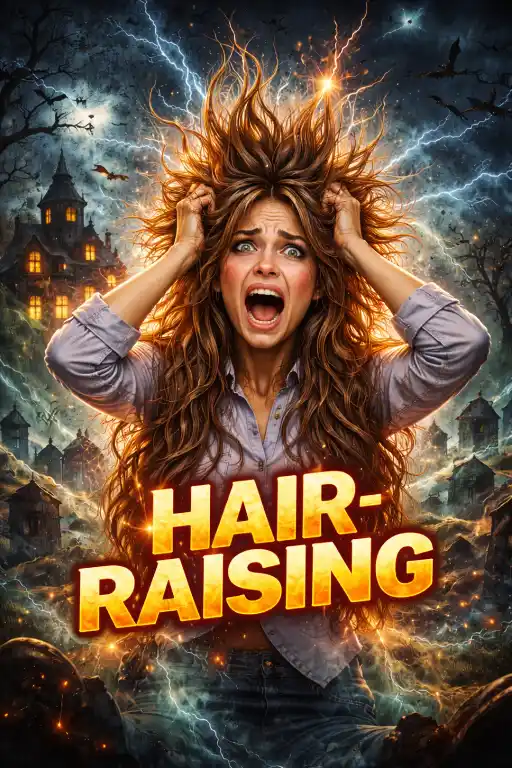
Meaning: Extremely frightening, thrilling, or shocking.
In a Sentence: The roller coaster ride was completely hair-raising.
Other Ways to Say: Terrifying, intense, nerve-racking
Why It Works: Like “make your hair stand on end,” it connects strong fear with a visible physical reaction.
Best Used For: Adventure stories, thrill rides, and dramatic events.
11. Pull Your Hair Out
Meaning: To become very worried, stressed, or frustrated.
In a Sentence: He was pulling his hair out over the final budget numbers.
Other Ways to Say: Feel overwhelmed, stress out, get desperate
Why It Works: The image strongly exaggerates mental pressure and frustration.
Best Used For: Work stress, deadlines, and problem-heavy situations.
12. A Hair’s Breadth
Meaning: A very tiny distance or amount.
In a Sentence: The ball missed the goal by a hair’s breadth.
Other Ways to Say: Barely, narrowly, by the slightest amount
Why It Works: Hair is extremely thin, making it a natural symbol for minimal distance.
Best Used For: Sports, close calls, and near misses.
13. Hang by a Hair
Meaning: To be in a very dangerous or uncertain situation.
In a Sentence: Their chances of winning were hanging by a hair.
Other Ways to Say: Be at risk, be very uncertain, be on the edge
Why It Works: Anything hanging by a single hair feels unstable and ready to break.
Best Used For: Risky situations, suspense, and serious uncertainty.
14. Get Gray Hairs
Meaning: To become worried or stressed because of something.
In a Sentence: Raising three teenagers has given him a few gray hairs.
Other Ways to Say: Feel stressed, worry a lot, age from stress
Why It Works: Gray hair is often associated with age, worry, and life’s pressures.
Best Used For: Family stories, work pressure, and humorous complaints.
15. To the Last Hair
Meaning: In complete detail or with total accuracy.
In a Sentence: The witness described the suspect to the last hair.
Other Ways to Say: In exact detail, precisely, completely
Why It Works: Hair suggests even the smallest visible detail, so the idiom emphasizes thoroughness.
Best Used For: Descriptions, storytelling, and careful observation.
16. Out of Hairpins
Meaning: Out of patience or out of little practical solutions.
In a Sentence: By noon, she was out of hairpins and fresh ideas for fixing the mess.
Other Ways to Say: Out of patience, out of tricks, out of quick fixes
Why It Works: Hairpins are small but useful, so the phrase playfully suggests you’ve run out of small helpful tools.
Best Used For: Informal, humorous writing and everyday frustration.
17. Hair of the Dog
Meaning: A small amount of alcohol taken to recover from a hangover.
In a Sentence: He joked that a little hair of the dog would fix his headache.
Other Ways to Say: Morning-after drink, hangover cure
Why It Works: The phrase comes from old folk logic about curing something with a bit of what caused it.
Best Used For: Informal conversation, humor, and adult social situations.
18. Curl Someone’s Hair
Meaning: To shock, frighten, or amaze someone.
In a Sentence: The true story behind the scandal would curl your hair.
Other Ways to Say: Shock someone, stun someone, leave someone speechless
Why It Works: It uses a playful physical image to describe a strong emotional reaction.
Best Used For: Dramatic storytelling and surprising news.
19. Make Heavy Weather of a Haircut
Meaning: To make a simple issue seem much more difficult than it really is.
In a Sentence: He made heavy weather of a haircut appointment as if it were a major life crisis.
Other Ways to Say: Overcomplicate things, make a fuss, overreact
Why It Works: It combines an everyday grooming image with exaggerated drama.
Best Used For: Humor and light criticism of overreaction.
20. Hair-Splitting Argument
Meaning: A discussion focused too much on tiny distinctions.
In a Sentence: The meeting turned into a hair-splitting argument over punctuation.
Other Ways to Say: Nitpicky debate, overly technical argument, pointless detail fight
Why It Works: It expands the image of “split hairs” into a full debate based on trivial differences.
Best Used For: Meetings, editing, academic debates, and legal-style arguments.
21. Not a Hair Out of Place
Meaning: Looking very neat, controlled, or perfectly arranged.
In a Sentence: Even after the long ceremony, she looked flawless, with not a hair out of place.
Other Ways to Say: Perfectly neat, polished, well put together
Why It Works: Hair is often one of the first things to show disorder, so perfect hair symbolizes total composure.
Best Used For: Appearance, style, and polished presentations.
22. Get Out of My Hair
Meaning: Leave me alone or stop bothering me.
In a Sentence: I need an hour to finish this report, so please get out of my hair.
Other Ways to Say: Leave me alone, stop bothering me, give me space
Why It Works: Like “get in someone’s hair,” it treats hair as a symbol of personal space.
Best Used For: Informal conversation, especially when feeling irritated or busy.
23. By the Hair of Your Chinny Chin Chin
Meaning: By the smallest possible margin.
In a Sentence: We caught the train by the hair of our chinny chin chin.
Other Ways to Say: Just barely, at the last second, by a tiny margin
Why It Works: The phrase is playful and exaggerated, which makes a close call sound memorable.
Best Used For: Humor, storytelling, and lighthearted descriptions of narrow escapes.
24. Tear-One’s-Hair Situation
Meaning: A situation so frustrating it feels unbearable.
In a Sentence: Dealing with that broken booking system became a real tear-one’s-hair situation.
Other Ways to Say: Nightmare situation, deeply frustrating problem, maddening issue
Why It Works: It builds on an already familiar hair-based frustration image.
Best Used For: Informal writing and vivid everyday complaints.
25. With a Fine-Tooth Comb Through Every Hair
Meaning: To check something very carefully.
In a Sentence: We went through the contract with a fine-tooth comb through every hair of detail.
Other Ways to Say: Examine carefully, inspect thoroughly, review closely
Why It Works: Hair requires detailed grooming, so the idiom suggests extreme attention to small things.
Best Used For: Editing, contracts, inspections, and careful reviews.
26. Keep Every Hair in Place
Meaning: To stay controlled, composed, and organized.
In a Sentence: Even during the crisis, she managed to keep every hair in place.
Other Ways to Say: Stay composed, remain organized, keep control
Why It Works: Hair becomes a symbol of visible order, so neatness reflects internal calm.
Best Used For: Professional settings and descriptions of graceful composure.
27. Not Worth a Hair
Meaning: Not important or valuable at all.
In a Sentence: In the bigger picture, that tiny complaint wasn’t worth a hair.
Other Ways to Say: Not worth much, insignificant, trivial
Why It Works: Hair is used as a symbol of something tiny and almost weightless.
Best Used For: Dismissing minor issues or unimportant details.
28. Every Hair on My Head Knows
Meaning: To feel something very deeply or know it with complete certainty.
In a Sentence: Every hair on my head knows that we made the right decision.
Other Ways to Say: Know in my bones, feel certain, know completely
Why It Works: The exaggeration makes knowledge feel physical and total.
Best Used For: Emotional certainty and expressive personal writing.
29. Ruffle Someone’s Hair
Meaning: To treat someone playfully or with light affection, or sometimes to mildly unsettle them.
In a Sentence: His grandfather ruffled his hair and told him he’d done a great job.
Other Ways to Say: Tease affectionately, show playful warmth, lightly unsettle
Why It Works: Hair is personal, so touching it can suggest closeness, affection, or mild disruption.
Best Used For: Family scenes, warm storytelling, and playful descriptions.
30. Have a Hair-Trigger Temper
Meaning: To become angry very quickly.
In a Sentence: He’s talented, but he has a hair-trigger temper in stressful meetings.
Other Ways to Say: Short temper, quick to anger, easily provoked
Why It Works: A hair trigger is extremely sensitive, so the idiom captures how little it takes to spark anger.
Best Used For: Personality descriptions and conflict-related situations.
How to Use Hair Idioms Naturally
Hair idioms work well because they connect language to something visual, personal, and familiar. They can describe emotions, stress, appearance, precision, and social behavior in a way that feels vivid and memorable.
For example, instead of saying someone is extremely frustrated, tearing their hair out sounds much more expressive. Instead of saying a result was very close, by a hair creates a much stronger image. And if someone needs to relax, let your hair down sounds warmer and more natural than simply saying “stop being formal.”
These idioms are especially useful in:
- Everyday conversations
- Informal writing
- Storytelling
- Workplace talk
- Descriptions of stress, style, or behavior
The key is to match the idiom to the tone. Some expressions sound playful, while others are better for frustration, humor, or emotional emphasis.
Final Thoughts
Hair may seem like a small detail, but it inspires a surprisingly large number of memorable English expressions. The 30 idioms for hair in this guide show how language uses hair to talk about stress, calmness, closeness, appearance, precision, and emotional reaction.
Some idioms are playful, some are dramatic, and some are simply useful in everyday conversation. Together, they prove that even ordinary topics can create colorful and expressive English.
Now here’s a simple question for you: Which of these hair idioms fits your week best—letting your hair down, tearing your hair out, or having a bad hair day?